Creamy Coconut Lime Chicken with Cilantro
There are some dinners that taste like a holiday, and this creamy coconut lime chicken with cilantro is one of them. The first time I made it, it was a grey, rainy Tuesday in the middle of winter, and I was craving something bright and sunny. I had a can of coconut milk in the pantry, a couple of limes, a bunch of cilantro, and some chicken thighs that needed using up. Half an hour later, the kitchen smelled like a beachside café somewhere warm, and dinner tasted like sunshine. My family still talks about that night, and this chicken has been in our regular rotation ever since.
The combination of coconut milk and lime is one of those pairings that just works, every single time. The coconut milk is rich and silky, with a gentle sweetness that coats the chicken beautifully. The lime cuts through that richness with a bright, sharp acidity that keeps the whole dish from feeling heavy. And the cilantro, stirred in right at the end, adds a fresh, herby lift that ties everything together. It is the kind of flavour that feels both comforting and exotic at the same time — familiar enough for a weeknight, but interesting enough to serve to friends. Add a little garlic, a little ginger, and a pinch of chilli, and you have a sauce that people will want to spoon over everything on their plate.
What I love most about this recipe is how simple it is. It uses one pan, a handful of pantry staples, and about thirty minutes from start to finish. There is no marinating, no complicated technique, and no long list of ingredients to track down. The chicken sears in the pan, the sauce builds in that same pan, and the chicken finishes cooking right there in the sauce. It is the kind of cooking that feels effortless, and the result tastes like you spent far longer on it than you did. I have made it on nights when I was tired, on nights when friends dropped by unannounced, and on quiet Sundays when I just wanted the house to smell good. It has never let me down.
This is also a recipe that bends beautifully around whatever you have on hand. Chicken thighs are my favourite here, because they stay juicy and forgiving, but chicken breasts work just as well if you pound them to an even thickness first. You can make it spicier with extra chilli, milder by leaving the chilli out altogether, or richer by adding a spoonful of peanut butter to the sauce. Serve it with jasmine rice, buttered noodles, or a hunk of crusty bread, and you have a dinner that feels like a small celebration. If you are looking for a reliable, crowd-pleasing chicken dinner that tastes like a holiday, this is the one to keep in your back pocket.
Why You’ll Love This Recipe
First of all, it is a genuine one-pan dinner, and anyone who cooks on a weeknight knows how much that matters. The chicken sears in the pan, the sauce builds in the same pan, and the chicken finishes cooking right there in the sauce. There is no juggling of pots and pans, no separate sauce to make, and at the end of it you have one pan to wash and a dinner that tastes like it took far more effort than it did. I have made this after long days at work when the last thing I wanted was a sink full of dishes, and it has never once felt like a compromise.
The flavour is the second reason this recipe earns a permanent place in my kitchen. Coconut milk brings a rich, silky sweetness that is completely different from a cream sauce — lighter, more fragrant, and somehow more interesting. The lime adds brightness, the garlic and ginger add warmth, and the cilantro adds a fresh, green lift at the very end. It is a combination that tastes like something from a Thai restaurant, but made with ingredients you probably already have in your kitchen. The sauce is so good that people will mop up every last drop with their bread or spoon it over their rice. If you enjoy golden, crispy chicken with a simple approach, this crispy chicken without breadcrumbs is another favourite of mine that uses the same sear-first method.
It is also wonderfully flexible. I have made this with chicken thighs, which I think give the best result, but chicken breasts, drumsticks, and even prawns all work beautifully with the same sauce. You can swap the cilantro for Thai basil or mint if cilantro is not your thing, add a handful of sliced peppers or snap peas to the pan, or throw in a spoonful of curry paste for a deeper, spicier flavour. Leftovers are fantastic as well — the chicken stays moist in the sauce, and it is brilliant the next day over rice or tucked into a wrap. For another comforting chicken dinner made from simple ingredients, this simple chicken soup with pantry ingredients is a wonderful cold-weather option.
Ingredients You’ll Need
- 6 boneless, skinless chicken thighs (about 700 g / 1.5 lbs), or 4 chicken breasts pounded even
- 1 teaspoon fine sea salt
- 1/2 teaspoon black pepper, freshly ground
- 1 teaspoon ground cumin
- 1/2 teaspoon paprika
- 2 tablespoons olive oil or coconut oil
- 1 small onion, finely chopped
- 4 cloves garlic, finely minced
- 1 tablespoon fresh ginger, finely grated
- 1 red chilli, finely sliced (seeds removed for less heat), plus extra to serve
- 1 can (400 ml / 14 oz) full-fat coconut milk
- 1/2 cup (120 ml) chicken stock, low sodium
- 1 tablespoon soy sauce
- 1 tablespoon fish sauce (optional, but adds lovely depth)
- 1 tablespoon honey
- Zest of 2 limes, finely grated
- Juice of 2 limes (about 1/4 cup / 60 ml)
- 1 red pepper, thinly sliced
- 1/2 cup fresh cilantro leaves, roughly chopped, plus extra for garnish
- Lime wedges, for serving
How to Make Creamy Coconut Lime Chicken with Cilantro
Start by getting the chicken ready, because a little preparation here makes the whole cook go smoothly. Pat the chicken thighs completely dry with paper towels, top and bottom, and do not skip this step. Dry chicken sears far better than damp chicken, and a good sear is where most of the flavour in this dish begins. Season both sides generously with salt, pepper, cumin, and paprika, and rub the spices in with your hands so they coat the meat evenly. If you are using chicken breasts instead of thighs, lay them between two sheets of cling film and pound them gently until they are an even thickness, roughly two centimetres all the way across, so they cook evenly and stay juicy.
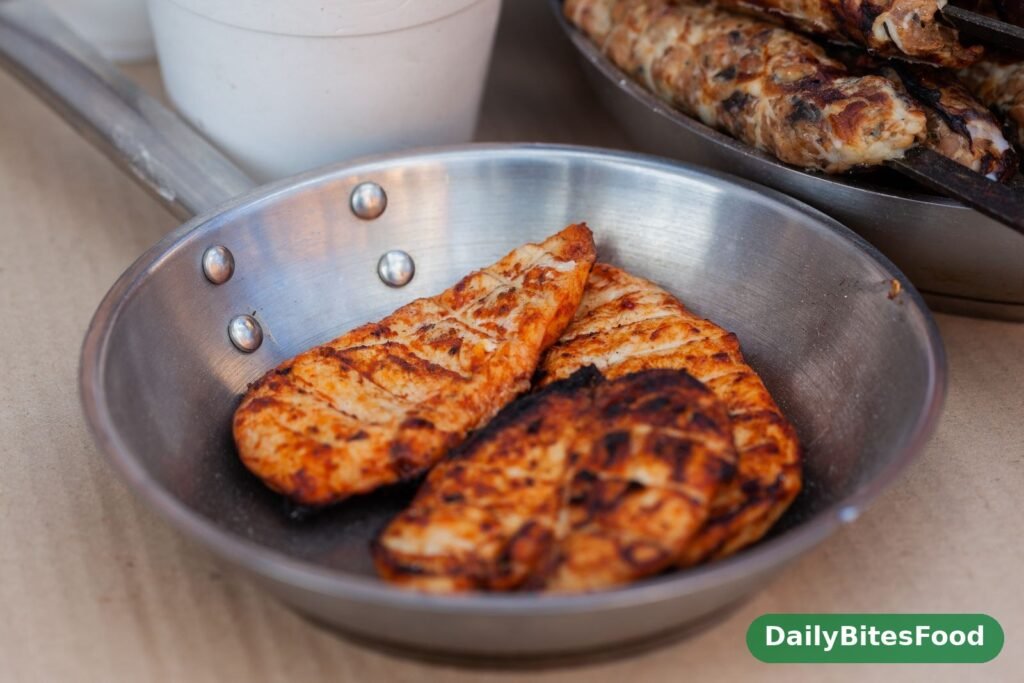
Heat the oil in a large, deep skillet over medium-high heat until it shimmers. Lay the chicken thighs in the pan, giving each one plenty of space, and leave them completely alone for five to six minutes. This is the hardest part of the whole recipe, because it is tempting to poke and move them, but do not. The chicken needs that undisturbed time to build a deep golden crust, and every time you lift it to check, you interrupt the browning. When the underside is richly golden, flip each thigh and cook for another four to five minutes on the second side. The chicken does not need to be fully cooked through at this stage — it will finish in the sauce — but it should be nicely browned on both sides. Transfer the chicken to a plate and set it aside, leaving all those lovely browned bits in the pan.
Now lower the heat to medium and build the sauce in that same pan, because everything good is already sitting right there. Add the chopped onion and cook it gently for two to three minutes, stirring often, until it has softened and turned translucent. Then add the garlic, ginger, and sliced chilli, and cook for another minute until the whole pan smells wonderful — warm, fragrant, and a little bit spicy. Keep a close eye on the garlic here, because it goes from golden to burnt in a matter of seconds, and burnt garlic will make the whole sauce taste bitter. Pour in the coconut milk and the chicken stock, and use a wooden spoon to scrape up all the browned bits from the bottom of the pan as the liquid simmers. Those browned bits are pure flavour, and the coconut milk will lift them right off the surface.
Stir in the soy sauce, the fish sauce if you are using it, the honey, and the lime zest, then add the sliced red pepper. Bring the sauce to a gentle simmer — not a rolling boil, just a lazy bubble around the edges — and let it cook for three to four minutes until it starts to thicken slightly and the pepper has softened a little. Taste the sauce now and adjust it to your liking; this is your moment to add a pinch more salt, a little more honey, or another squeeze of lime before the chicken goes back in. Slide the chicken thighs and any juices from the plate back into the pan, nestling them down into the sauce so they are mostly covered. Reduce the heat to low, cover the pan loosely, and let the chicken finish cooking in the sauce for eight to ten minutes, spooning sauce over the tops once or twice as it goes. You are looking for an internal temperature of 74°C (165°F) in the thickest part, and the sauce should have thickened into something silky and fragrant. For another take on this flavour combination, the Taste of Home coconut lime chicken recipe is a lovely reference with a similar bright, tropical feel.
Finish the dish off the heat, because this is where the flavours come together. Stir in the lime juice and the chopped cilantro, and give the sauce a final taste. The lime juice might seem like a small thing, but it wakes the whole sauce up and keeps the richness of the coconut milk in balance — do not skip it, and do not add it too early, because cooking lime juice for too long can make it taste bitter. Let the chicken rest in the pan for three to four minutes before serving, and spoon plenty of sauce over each piece as you plate it up. The sauce will continue to thicken slightly as it sits, so if it gets thicker than you like, a splash of warm stock loosens it back up in seconds. If you enjoy creamy chicken cooked this way, the BBC Good Food creamy garlic chicken recipe is a lovely reference for the same one-pan technique. For another quick dinner made from whatever is already in your kitchen, these quick meals with ingredients I have at home are brilliant for busy nights.
Tips for Perfect Creamy Coconut Lime Chicken with Cilantro
The first tip is about the coconut milk, and it matters more here than in most recipes. Use full-fat coconut milk, not the light version, because the fat is what makes the sauce rich and silky and stops it from splitting when it simmers. Light coconut milk is mostly water, and it will give you a thin, watery sauce that never really thickens. Shake the can well before you open it, because the thick cream on top and the thinner liquid underneath need to be mixed together. If your coconut milk looks separated or grainy in the can, that is completely normal — a good shake or a quick whisk will bring it back together.
Choose your limes with a little care, because fresh lime juice is the heart of this dish. Look for limes that feel heavy for their size and give slightly when you squeeze them gently — those are the juicy ones. Roll each lime firmly on the countertop with the palm of your hand before you cut it, because that breaks down the membranes inside and helps you get far more juice out of it. And zest the limes before you juice them, because zesting a juiced lime is nearly impossible. Use a fine grater and take only the green part of the peel, not the bitter white pith underneath. Bottled lime juice works in a pinch, but it does not have the bright, fresh flavour of a real lime, so fresh is always worth it.
Keep the heat gentle once the coconut milk goes in. Coconut milk does not like a hard boil — high heat can make it split or turn grainy, and once it has split, it is very hard to bring back. A gentle simmer is all you need, and if the sauce starts bubbling too vigorously, just pull the pan off the heat for a moment and let it settle. The same goes for the lime juice at the end: stir it in off the heat so its fresh, bright flavour stays intact. If your sauce ends up a little thinner than you would like, let it simmer for another minute or two. And if it gets too thick, a splash of warm stock fixes it instantly.
Finally, do not rush the sear. A deep golden crust on the chicken is not just about looks — it is where a huge amount of the flavour in this dish comes from, and those browned bits are what make the sauce taste so rich and savoury. Make sure the pan is properly hot before the chicken goes in, do not crowd the pan, and resist the urge to move the chicken around. If your pan is not big enough for all the thighs at once, sear them in two batches rather than squeezing them in. It takes a few extra minutes, but the result is worth it. And taste the sauce before the chicken goes back in — that is your chance to balance the sweet, salty, sour, and spicy flavours exactly the way you like them.
Variations to Try
Once you have the basic recipe down, it is easy to make it your own, and I have tried plenty of versions over the years. For a spicier version, add a tablespoon of Thai red curry paste to the pan with the garlic and ginger, and let it cook for a minute before the coconut milk goes in. The curry paste deepens the flavour and gives the sauce a beautiful colour, and a little extra chilli on top makes it properly fiery. You can also add a spoonful of peanut butter to the sauce for a rich, nutty twist that pairs beautifully with the lime and cilantro — it turns the whole dish into something that tastes like a satay-inspired chicken, and it is wonderful over rice.
For a lighter version, you can use chicken breasts instead of thighs, which cook a little faster and have less fat. Just pound them to an even thickness first, and start checking for doneness a minute or two earlier so they do not dry out. You can also lighten the sauce by using half coconut milk and half chicken stock, which gives you a thinner but still fragrant sauce. For a dairy-free and gluten-free version, this recipe already ticks both boxes — just check that your soy sauce is gluten-free, or swap it for tamari, and you are all set.
If cilantro is not your thing — and I know it is a love-it-or-hate-it herb — you can swap it for Thai basil, fresh mint, or even flat-leaf parsley. Each one changes the flavour a little, but they all work beautifully with coconut and lime. You can also add vegetables to make this a fuller one-pan meal: sliced mushrooms, baby corn, snap peas, or baby spinach all cook happily in the sauce. Add the firmer vegetables with the red pepper, and stir the leafy ones in right at the end so they just wilt. And if you want to try the same sauce with a different protein, prawns are wonderful — they cook in just three to four minutes in the simmering sauce. For another budget-friendly dinner built around frozen vegetables, these easy dinner recipes with frozen vegetables are well worth keeping in your back pocket.
Serving Ideas
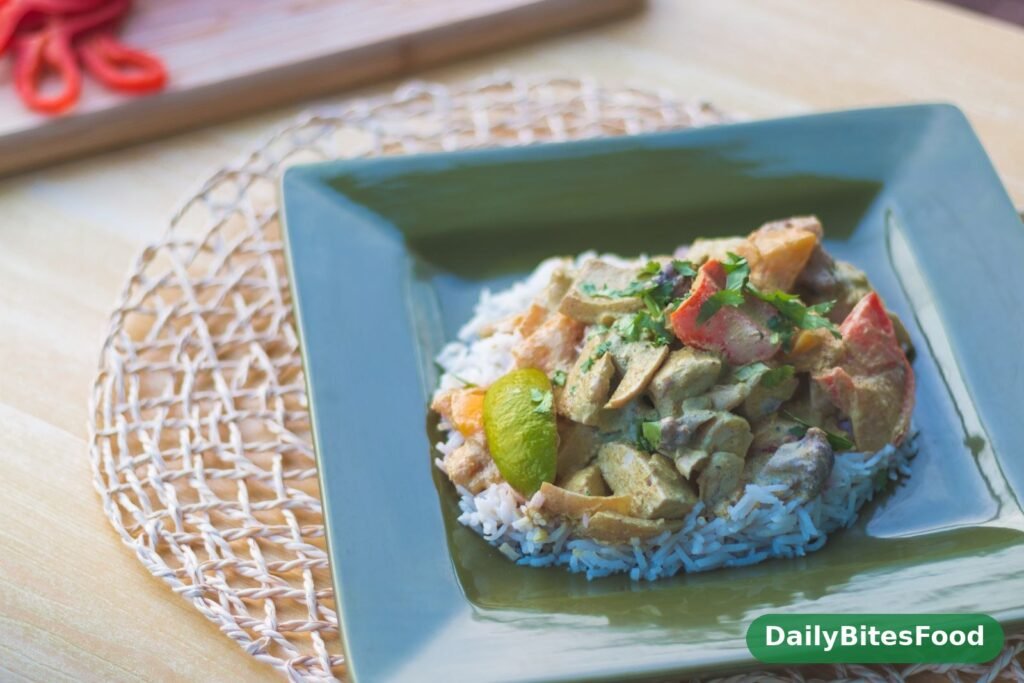
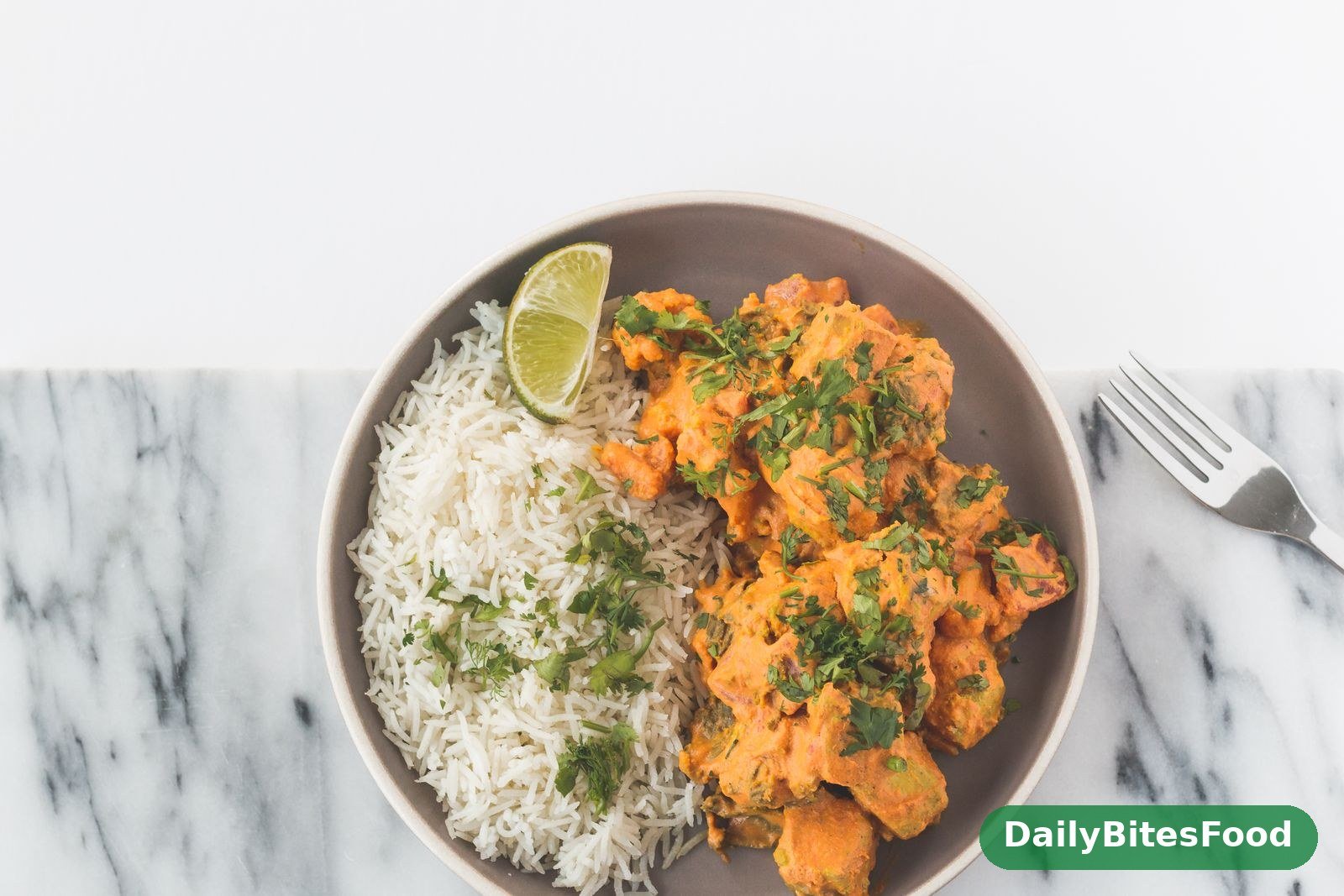
The classic way to serve this chicken is over a bed of fluffy jasmine rice, and honestly, there is a reason that pairing has lasted so long. The rice soaks up the sauce beautifully, and every forkful has a little bit of everything — tender chicken, silky coconut sauce, fragrant rice. Jasmine rice is my favourite here, because its gentle floral flavour works so well with the lime and cilantro, but plain basmati or even coconut rice are just as good. If you want to keep things lighter, cauliflower rice is a lovely option too, and it soaks up the sauce just as happily.
For a lighter meal, serve the chicken with steamed green beans, roasted asparagus, or a simple salad of cucumber, shredded carrot, and a lime dressing. The freshness of the vegetables cuts through the richness of the coconut milk and keeps the whole plate feeling balanced. In summer, I love this with a mango and avocado salad; in winter, roasted sweet potatoes are wonderful alongside it. Noodles are another great option — rice noodles, egg noodles, or even plain spaghetti all work well with the creamy sauce, and a little extra cilantro on top never hurt anyone. And do not forget the lime wedges on the table — a squeeze of fresh lime over the hot chicken right before eating lifts every flavour on the plate.
If you are feeding kids, the chicken goes down a treat sliced over buttered rice with a little extra sauce on the side for dipping, and the mild, creamy flavour is an easy sell even for picky eaters. You can leave the chilli out of the sauce entirely and add it at the table for the adults, which keeps everyone happy. For a more grown-up spread, add some pickled red onion, a cucumber salad, or a grain salad with herbs. And do not forget the fresh cilantro on top — a generous handful makes the whole plate look like something from a restaurant, and it takes about thirty seconds.
Storage and Reheating
Leftover creamy coconut lime chicken keeps well, which is one of the reasons I often make a double batch on purpose. Let the chicken cool completely, then store it in an airtight container in the fridge, making sure the chicken is covered in sauce so it stays moist. It will keep for up to three days. The sauce will thicken as it sits in the fridge — that is completely normal — and it loosens up again beautifully when you reheat it gently. I often pack the leftovers for lunch the next day, sliced over rice or tucked into a wrap, and it is honestly just as good the next day as it is fresh.
To reheat, the hob is your best friend. Place the chicken and sauce in a pan over low heat, add a splash of chicken stock or coconut milk to loosen the sauce, and warm it gently for five to eight minutes until heated through. Keep the heat low and stir occasionally, because a hard boil can make a coconut milk sauce split. The microwave works in a pinch — about two minutes on medium power, covered, with a splash of stock stirred in halfway — but the gentle hob method gives you a much better result. Avoid reheating the chicken more than once, and never leave it sitting at room temperature for more than two hours.
Frequently Asked Questions
Can I use light coconut milk instead of full-fat?
You can, but the sauce will be thinner and less rich, and it is more likely to split when it simmers. Full-fat coconut milk gives you a silky, creamy sauce that holds together beautifully, so I do recommend it if you can. If you only have light coconut milk, you can help the sauce along by simmering it a little longer to reduce, or by whisking in a teaspoon of cornstarch mixed with cold water at the end. The flavour will still be lovely — just a little lighter.
Can I make this recipe without cilantro?
Yes, absolutely. I know cilantro is a love-it-or-hate-it herb, and if it is not for you, there are plenty of good swaps. Thai basil is my favourite alternative — it has a lovely aniseed note that works beautifully with coconut and lime. Fresh mint is another great option, and flat-leaf parsley works well too if you want something milder. Use the same amount, stir it in right at the end, and the dish will still be delicious. The lime and coconut are the real stars here, so the herb is flexible.
Can I use chicken breasts instead of thighs?
You can, and they work well as long as you treat them gently. Pound the breasts to an even thickness first, so they cook evenly and stay juicy, and start checking for doneness a minute or two earlier than you would with thighs. Chicken breasts dry out much more easily, so pull them out as soon as they reach 74°C (165°F) in the thickest part, and let them rest for a few minutes before serving. The sauce will be just as delicious either way.
How spicy is this recipe?
As written, it is very mildly spicy — just a gentle warmth from one sliced red chilli with the seeds removed. If you like things spicier, leave the seeds in, add a second chilli, or stir in a pinch of chilli flakes with the garlic. If you want no heat at all, simply leave the chilli out entirely; the dish will still be full of flavour from the garlic, ginger, lime, and cilantro. You can also serve sliced chilli at the table so everyone can add as much heat as they like.
Can I make this recipe ahead of time?
Yes, and it is a great one for planning ahead. You can make the whole dish up to a day in advance and keep it covered in the fridge, then reheat it gently on the hob with a splash of stock to loosen the sauce. The flavours actually deepen a little overnight, so it can taste even better the next day. Just hold back the cilantro and lime juice until you reheat it, and stir them in fresh at the end — that keeps the flavours bright and the herbs from going dark and soggy.
What should I serve with creamy coconut lime chicken?
The classic pairing is fluffy jasmine rice, because it soaks up the sauce beautifully. Basmati rice, coconut rice, and rice noodles are all wonderful too. For a lighter meal, steamed green beans, a cucumber salad, or cauliflower rice are lovely alongside it. Whatever you serve, choose something that gives you a way to enjoy every last drop of the sauce, and put lime wedges on the table — a squeeze of fresh lime over the hot chicken right before eating lifts every flavour on the plate.