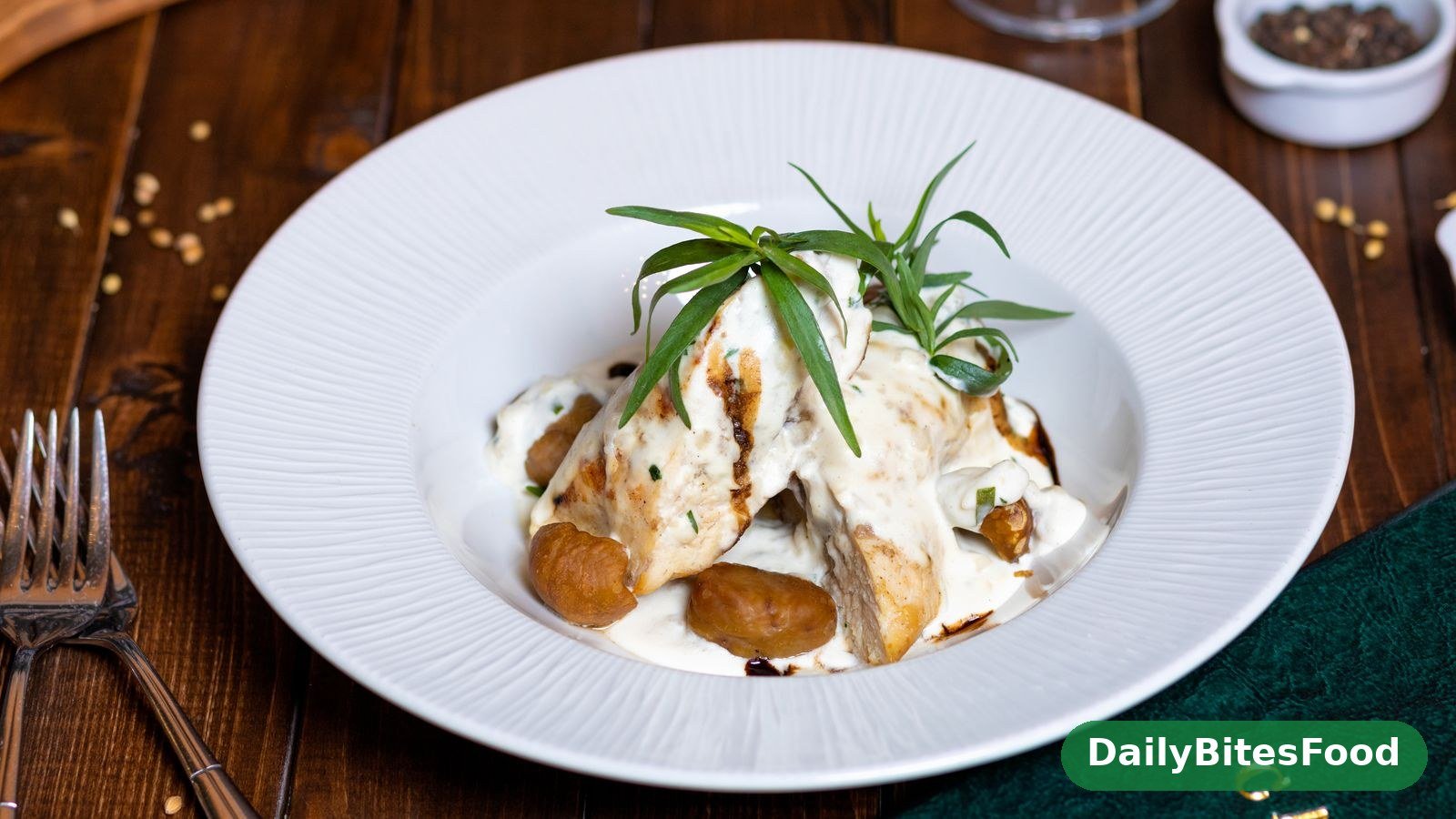
Creamy Garlic Herb Chicken with White Wine
There is a particular kind of weeknight dinner that I come back to again and again, the kind where one pan, a handful of honest ingredients, and about half an hour are all that stand between you and something that tastes like it came out of a proper restaurant kitchen. This creamy garlic herb chicken with white wine is exactly that dinner. I first made it on a Friday evening when friends were coming over and I had promised something a little bit special but had absolutely no time for anything complicated. I had chicken breasts, a head of garlic, a bottle of white wine I had opened the night before, and a small carton of cream sitting in the fridge. What landed on the table that night made everyone at the table go quiet for a moment, and then somebody asked for the recipe before they had even finished eating.
The magic of this dish is in the sauce, and the sauce is built the old-fashioned way, layer by layer, in the same pan the chicken was cooked in. You sear the chicken until it is deeply golden, and all those browned bits left stuck to the bottom of the pan become the foundation of everything that follows. Then the garlic goes in and softens in the butter, the white wine hits the hot pan and sizzles as it lifts every last bit of flavour off the surface, and finally the cream and herbs come together into something silky and rich that coats the chicken like velvet. It sounds fancy, and honestly it tastes fancy, but there is nothing difficult about any single step. If you can sear a chicken breast and stir a pan, you can make this.
What I love about cooking with white wine is the way it brightens a rich sauce without making it taste like wine at all. The alcohol cooks off completely, and what is left behind is a gentle acidity and a depth of flavour that you simply cannot get from stock alone. It cuts through the richness of the cream and keeps the whole dish from feeling heavy, which is why this chicken works just as well on a warm spring evening as it does in the middle of winter. I have made it with a dry sauvignon blanc, a pinot grigio, and once, in a pinch, with the last of a bottle of chardonnay, and every version has been delicious. The only rule is to cook with a wine you would happily drink, because whatever is in the bottle ends up in the sauce.
This is also the kind of recipe that fits real life beautifully. It uses one pan, so the washing up is minimal. It comes together in about thirty-five minutes from start to finish, which puts it firmly in weeknight territory. And it is flexible enough to bend around whatever you have on hand — chicken thighs instead of breasts, dried herbs instead of fresh, a splash of milk instead of cream when that is what is in the fridge. Serve it with mashed potatoes, buttered noodles, or a hunk of crusty bread, and you have a dinner that feels like a small celebration. It has become one of my most reliable recipes, the one I reach for when I want dinner to feel a little bit special without any extra effort at all.
Why You’ll Love This Recipe
First of all, it is a genuine one-pan dinner, and anyone who cooks on a weeknight knows how much that matters. The chicken sears in the pan, the sauce builds in the same pan, and the chicken finishes cooking right there in the sauce. There is no juggling of pots and pans, no separate sauce to make, and at the end of it you have one pan to wash and a dinner that tastes like it took far more effort than it did. I have made this after long days at work when the last thing I wanted was a sink full of dishes, and it has never once felt like a compromise.
The flavour is the second reason this recipe earns a permanent place in my kitchen. The combination of garlic, butter, white wine, cream, and fresh herbs is one of those classic pairings that just works, every single time. The garlic turns sweet and mellow as it cooks, the wine adds brightness, the cream brings everything together, and the herbs — a little thyme, a little parsley, maybe some rosemary if I have it — lift the whole dish and stop it from tasting flat. It is rich without being heavy, and the sauce is so good that people will mop up every last drop with their bread. If you enjoy garlic-forward chicken, you will love this easy garlic chicken without butter, which uses a lighter, simpler approach with the same big garlic flavour.
It is also a wonderfully forgiving recipe, which matters more than most cookbooks admit. Chicken breasts can be tricky — they dry out if you overcook them by even a minute — but here the chicken finishes gently in the sauce, which keeps it moist and gives you a little more room for error. You do not need to be precise about anything. A splash more wine, a little extra cream, an extra clove of garlic — none of it will hurt. The recipe bends to your pantry and your taste, and it still comes out delicious. That is the mark of a recipe worth keeping.
Ingredients You’ll Need
- 4 boneless, skinless chicken breasts (about 700 g / 1.5 lbs), pounded to even thickness
- 1 teaspoon fine sea salt
- 1/2 teaspoon black pepper, freshly ground
- 1/2 teaspoon paprika
- 3 tablespoons all-purpose flour, for dusting
- 2 tablespoons olive oil
- 2 tablespoons unsalted butter
- 8 cloves garlic, thinly sliced
- 1 small shallot, finely chopped
- 3/4 cup (180 ml) dry white wine, such as sauvignon blanc or pinot grigio
- 1 cup (240 ml) chicken stock, low sodium
- 3/4 cup (180 ml) heavy cream
- 1 teaspoon Dijon mustard
- 1 tablespoon fresh thyme leaves
- 1 tablespoon fresh rosemary, finely chopped
- 1/4 cup fresh parsley, chopped, plus extra for garnish
- 1 tablespoon fresh lemon juice
- 1/4 cup grated Parmesan cheese, optional but lovely
How to Make Creamy Garlic Herb Chicken with White Wine
Start by getting the chicken ready, because a little preparation here makes the whole cook go smoothly. Lay the chicken breasts between two sheets of cling film or baking paper and pound them gently with a rolling pin or the flat side of a meat mallet until they are an even thickness, roughly two centimetres all the way across. This is the single most important step for chicken breasts, because an uneven breast cooks unevenly — the thin end dries out while the thick end is still catching up. Once they are even, season both sides generously with salt, pepper, and paprika, then dust them very lightly with flour, shaking off any excess. The flour is not there to make a batter; it is just a whisper-thin coating that helps the chicken brown beautifully and gives the sauce something to cling to later.
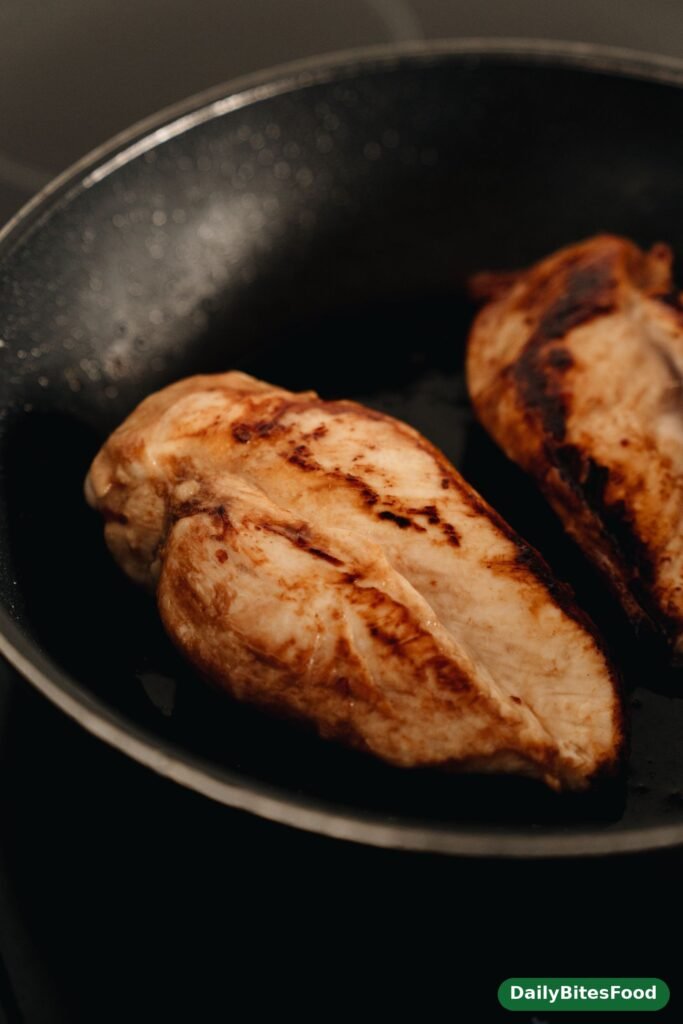
Heat the olive oil in a large, deep skillet over medium-high heat until it shimmers. Lay the chicken breasts in the pan, giving each one plenty of space, and leave them completely alone for five to six minutes. This is the hardest part of the whole recipe, because it is tempting to poke and move them, but do not. The chicken needs that undisturbed time to build a deep golden crust, and every time you lift it to check, you interrupt the browning. When the underside is richly golden, flip each breast and cook for another five minutes on the second side. The chicken does not need to be fully cooked through at this stage — it will finish in the sauce — but it should be nicely browned on both sides. Transfer the chicken to a plate and set it aside, leaving all those lovely browned bits in the pan.
Now lower the heat to medium and build the sauce in that same pan, because everything good is already sitting right there. Add the butter and let it melt into the pan juices, then add the sliced garlic and the chopped shallot. Cook them gently for about two minutes, stirring often, until the garlic is fragrant and just starting to turn golden at the edges. Keep a close eye on it here, because garlic goes from golden to burnt in a matter of seconds, and burnt garlic will make the whole sauce taste bitter. The moment it smells wonderful and looks pale gold, pour in the white wine. It will bubble and steam furiously as it hits the hot pan, and that is exactly what you want — use a wooden spoon to scrape up all the browned bits from the bottom of the pan as the wine simmers. Let the wine bubble away for two to three minutes until it has reduced by about half and the sharp alcoholic smell has mellowed into something warm and savoury.
Pour in the chicken stock and the cream, and stir in the Dijon mustard, the thyme, and the rosemary. Bring the sauce to a gentle simmer — not a rolling boil, just a lazy bubble around the edges — and let it cook for three to four minutes until it starts to thicken slightly and coat the back of a spoon. Taste it now and adjust the seasoning; this is your moment to add a pinch more salt or a crack of pepper before the chicken goes back in. Slide the chicken breasts and any juices from the plate back into the pan, nestling them down into the sauce so they are mostly covered. Reduce the heat to low, cover the pan loosely, and let the chicken finish cooking in the sauce for six to eight minutes, spooning sauce over the tops once or twice as it goes. You are looking for an internal temperature of 74°C (165°F) in the thickest part, and the sauce should have thickened into something silky and rich. If you want a deeper dive into creamy chicken technique, the BBC Good Food creamy garlic chicken recipe is a lovely reference for the same style of cooking.
Finish the dish off the heat, because this is where the flavours come together. Stir in the lemon juice, the chopped parsley, and the Parmesan if you are using it, and give the sauce a final taste. The lemon might seem like a small thing, but it wakes the whole sauce up and keeps the richness in balance — do not skip it. Let the chicken rest in the pan for three to four minutes before serving, and spoon plenty of sauce over each piece as you plate it up. The sauce will continue to thicken slightly as it sits, so if it gets thicker than you like, a splash of warm stock loosens it back up in seconds. This style of finishing a pan sauce is the same idea behind a classic roast, and the BBC Good Food roast chicken guide is worth a read if you enjoy building flavour in the pan this way. For a creamy pasta night with a similar feel, this easy chicken pasta without heavy cream is another favourite of mine.
Tips for Perfect Creamy Garlic Herb Chicken with White Wine
The first tip is about the chicken itself, and it is the one that makes the biggest difference. Pound the breasts to an even thickness, and do not skip this step even if you are in a hurry. A chicken breast is naturally thick at one end and thin at the other, and without pounding, the thin end will be dry and tough by the time the thick end is cooked through. Two minutes with a rolling pin solves the problem completely, and it is the reason restaurant chicken breasts always seem so much juicier than the ones we make at home. A meat thermometer helps too — pull the chicken at 74°C (165°F) and let it rest, and it will be perfect every time.
Choose your wine with a little care, because it matters more here than in most recipes. Use a dry white wine that you would happily drink a glass of — a sauvignon blanc, a pinot grigio, or an unoaked chardonnay all work beautifully. Avoid anything labelled cooking wine, which is loaded with salt and tastes harsh, and avoid sweet wines, which will make the sauce taste strange. If you would rather not cook with wine at all, you can replace it with an equal amount of chicken stock plus a tablespoon of white wine vinegar or lemon juice for brightness. The sauce will be a little less complex, but it will still be delicious.
Keep the heat gentle once the cream goes in. Cream sauces do not like a hard boil — high heat can make them split or turn grainy, and once a cream sauce has split, it is very hard to bring back. A gentle simmer is all you need, and if the sauce starts bubbling too vigorously, just pull the pan off the heat for a moment and let it settle. The same goes for the Parmesan at the end: stir it in off the heat so it melts smoothly into the sauce instead of clumping. If your sauce does end up a little thinner than you would like, let it simmer for another minute or two, or whisk in a small spoonful of flour mixed with cold water. And if it gets too thick, a splash of warm stock fixes it instantly.
Finally, do not rush the sear. A deep golden crust on the chicken is not just about looks — it is where a huge amount of the flavour in this dish comes from, and those browned bits are what make the sauce taste so rich and savoury. Make sure the pan is properly hot before the chicken goes in, do not crowd the pan, and resist the urge to move the chicken around. If your pan is not big enough for all four breasts at once, sear them in two batches rather than squeezing them in. It takes a few extra minutes, but the result is worth it. If you enjoy this kind of one-pan cooking, this one-pan chicken and rice for two uses the same sear-then-simmer idea with a completely different flavour profile.
Variations to Try
Once you have the basic recipe down, it is easy to make it your own, and I have tried plenty of versions over the years. For a richer, more indulgent sauce, swap half the cream for a spoonful of cream cheese or a little mascarpone stirred in at the end. It makes the sauce extra silky and gives it a lovely tang that pairs beautifully with the wine. You can also add a handful of sliced mushrooms to the pan with the garlic — let them cook until golden before the wine goes in — and they soak up the sauce wonderfully. Sun-dried tomatoes are another favourite addition of mine; a few tablespoons stirred in with the cream add a sweet, savoury depth that makes the whole dish taste like something from a Tuscan kitchen.
For a lighter version, you can use chicken thighs instead of breasts, which stay juicy even if you cook them a little longer, and they are often cheaper too. Boneless thighs work best here — sear them the same way, then let them finish in the sauce for about ten minutes. You can also lighten the sauce itself by using half cream and half milk, or even evaporated milk, which holds up well to heat and gives you a creamy result with less fat. The sauce will be a touch thinner, but the flavour is still wonderful. For a dairy-free version, full-fat coconut milk works surprisingly well with the garlic and herbs, though it does change the flavour a little — it leans more tropical, and a squeeze of extra lemon keeps it balanced.
If you like a bit of heat, add a pinch of chilli flakes to the pan with the garlic, or stir a spoonful of wholegrain mustard into the sauce instead of the Dijon. For a herby twist, swap the thyme and rosemary for tarragon, which has a wonderful aniseed note that pairs beautifully with white wine and cream. And if you want to make this a full one-pan meal, add a handful of baby spinach to the sauce at the very end and let it wilt in for a minute, or toss in some halved cherry tomatoes with the chicken when it goes back into the pan. For another quick pantry-based chicken dinner in a similar spirit, these quick chicken noodles with pantry ingredients are a brilliant twenty-minute option.
Serving Ideas
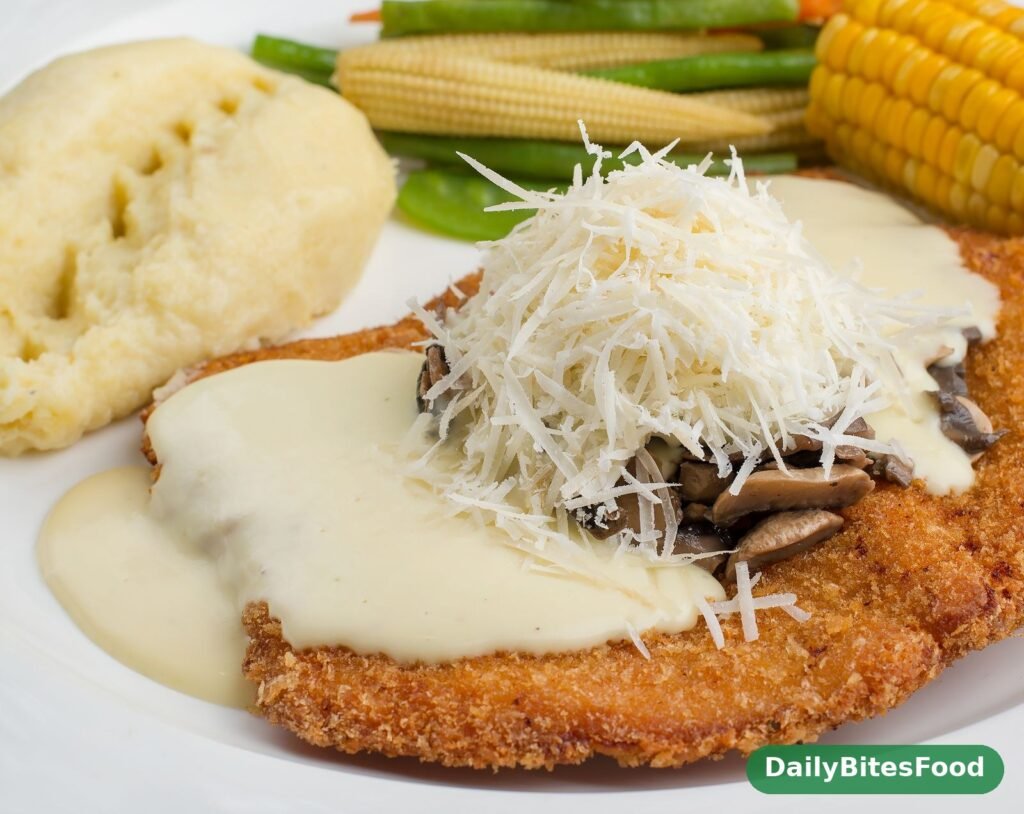
The classic way to serve this chicken is over a bed of creamy mashed potatoes, and honestly, there is a reason that pairing has lasted so long. The potatoes soak up the sauce beautifully, and every forkful has a little bit of everything — tender chicken, silky sauce, fluffy potato. If mashed potatoes feel like too much work on a weeknight, buttered egg noodles or plain pasta are just as good and take half the time. The sauce clings to the noodles in the most satisfying way, and a little extra Parmesan on top never hurt anyone. Crusty bread is also essential in my house, because there will always be sauce left in the pan and someone will want to mop it up.
For a lighter meal, serve the chicken with steamed green beans, roasted asparagus, or a simple salad of mixed leaves with a lemon dressing. The freshness of the vegetables cuts through the richness of the sauce and keeps the whole plate feeling balanced. In summer, I love this with grilled zucchini and a tomato salad; in winter, roasted carrots and parsnips are wonderful alongside it. Rice is another great option — plain white rice, a herby rice pilaf, or even a simple risotto all work well with the creamy sauce. And if you are serving this to guests, a glass of the same white wine you cooked with is the perfect match at the table.
Storage and Reheating
Leftover creamy garlic herb chicken keeps well, which is one of the reasons I often make a double batch on purpose. Let the chicken cool completely, then store it in an airtight container in the fridge, making sure the chicken is covered in sauce so it stays moist. It will keep for up to three days. The sauce will thicken as it sits in the fridge — that is completely normal — and it loosens up again beautifully when you reheat it gently. I often pack the leftovers for lunch the next day, sliced over rice or tucked into a wrap, and it is honestly just as good cold as it is hot.
To reheat, the hob is your best friend. Place the chicken and sauce in a pan over low heat, add a splash of chicken stock or milk to loosen the sauce, and warm it gently for five to eight minutes until heated through. Keep the heat low and stir occasionally, because a hard boil can make a cream sauce split. The microwave works in a pinch — about two minutes on medium power, covered, with a splash of milk stirred in halfway — but the gentle hob method gives you a much better result. Avoid reheating the chicken more than once, and never leave it sitting at room temperature for more than two hours.
Frequently Asked Questions
Can I make this recipe without white wine?
Yes, absolutely, and it will still be delicious. Replace the white wine with an equal amount of chicken stock plus one tablespoon of white wine vinegar or lemon juice. The vinegar or lemon adds back the brightness that the wine would have given the sauce, and the overall flavour stays rich and savoury. If you use stock alone without any acid, the sauce can taste a little flat, so do not skip that splash of vinegar or lemon. You can also use a non-alcoholic white wine if that is what you prefer.
Can I use chicken thighs instead of chicken breasts?
You can, and honestly, thighs are a wonderful choice here. Boneless, skinless thighs stay juicy and are much more forgiving than breasts if you cook them a minute or two longer than planned. Sear them the same way, then let them finish in the sauce for about ten minutes instead of six to eight. Bone-in, skin-on thighs also work — just sear them skin-side down first until the skin is crisp, and give them a few extra minutes in the sauce to cook through. The sauce will be just as delicious either way.
How do I stop the cream sauce from splitting?
The key is gentle heat and patience. Once the cream goes into the pan, keep the sauce at a gentle simmer and never let it come to a rolling boil. If your hob runs hot, pull the pan off the heat for a moment and let it settle before putting it back. Full-fat cream is also much more stable than single cream or milk, so use heavy cream if you can. If the sauce does split a little, take the pan off the heat and whisk in a splash of cold cream — that often brings it back together. And always add the Parmesan off the heat so it melts smoothly.
What is the best white wine to cook with?
A dry white wine that you would happily drink is the rule. Sauvignon blanc, pinot grigio, and unoaked chardonnay are all excellent choices, and they are usually easy to find and affordable. Avoid sweet wines like moscato, which will make the sauce taste odd, and avoid cooking wine from the supermarket shelf, which is full of salt and tastes harsh. If you only have a bottle open that you are not sure about, taste it first — if it tastes good in the glass, it will taste good in the sauce.
Can I make this recipe ahead of time?
Yes, and it is a great one for planning ahead. You can make the whole dish up to a day in advance and keep it covered in the fridge, then reheat it gently on the hob with a splash of stock to loosen the sauce. The flavours actually deepen a little overnight, so it can taste even better the next day. You can also prep the ingredients ahead — pound and season the chicken, slice the garlic, chop the herbs — and keep everything in the fridge so the whole dish comes together in about twenty minutes on the day.
What should I serve with creamy garlic herb chicken?
The classic pairing is mashed potatoes or buttered noodles, because both soak up the sauce beautifully. Rice, crusty bread, and roasted vegetables all work well too. For a lighter meal, steamed green beans, roasted asparagus, or a simple green salad are lovely alongside it. The sauce is the star, so whatever you serve, choose something that gives you a way to enjoy every last drop of it. A glass of the same white wine you cooked with is the perfect match at the table.