One-Pan Spanish Chorizo and Chickpea Stew
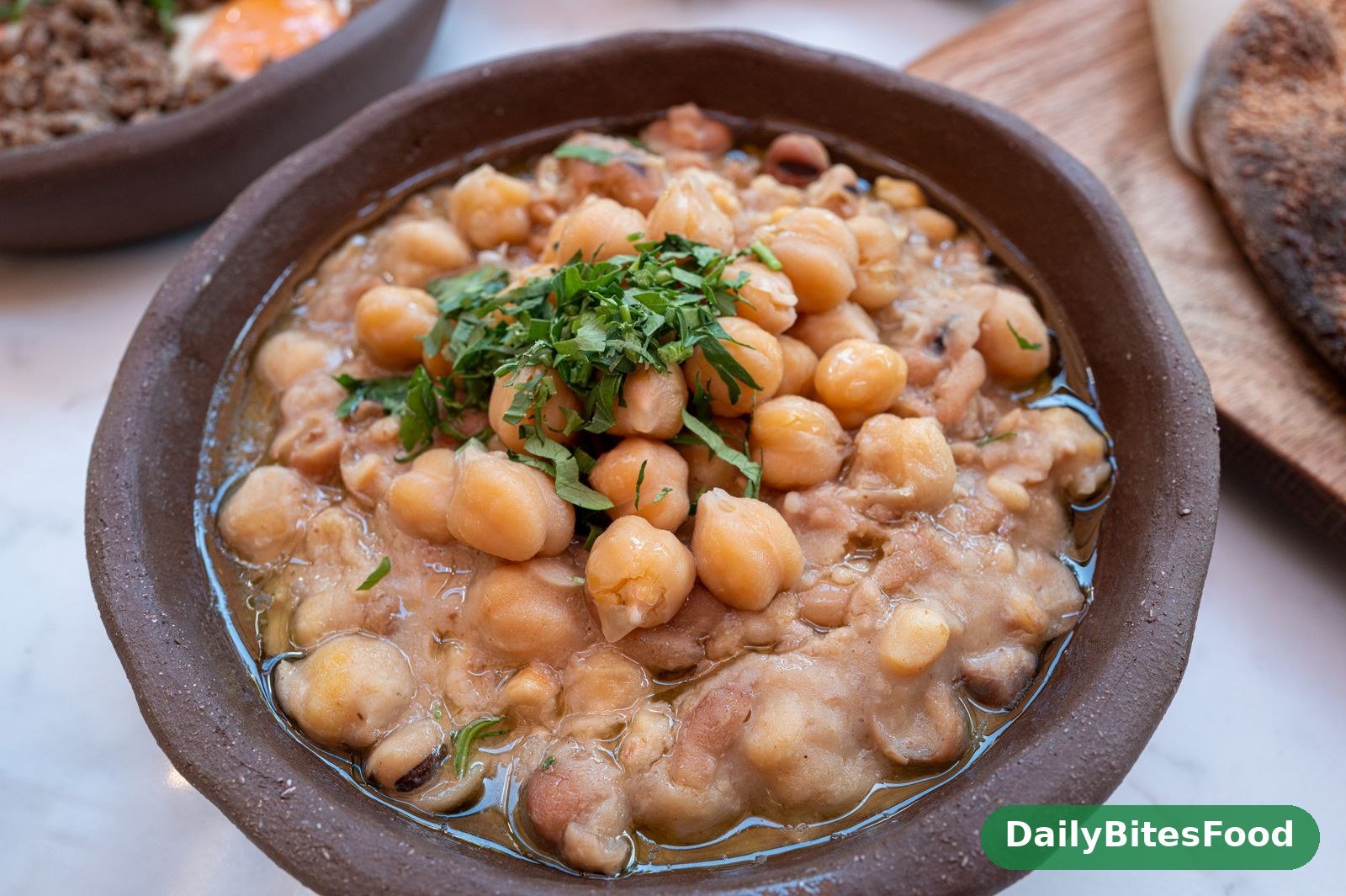
There is a particular kind of dinner I crave when the weather turns cold and the evenings get dark early, and it is not a roast or a casserole — it is a stew. Something smoky and warming that bubbles away in one pan while the kitchen fills with the smell of paprika and garlic. The first time I made this Spanish chorizo and chickpea stew, it was a wet November evening, I had a ring of chorizo in the fridge, a tin of chickpeas in the cupboard, and not much of a plan. I sliced the chorizo, fried it until the paprika oil ran red in the pan, added onions and peppers and tomatoes, tipped in the chickpeas, and let the whole thing simmer while I made some bread and set the table. Forty minutes later we were eating one of the best dinners I had cooked in months, and I have been making it ever since.
What makes this stew so good is the chorizo itself. Spanish chorizo is not like other sausages. It is cured, deeply flavored with smoked paprika and garlic, and when you fry it, it releases a rich, red, paprika-scented oil that flavors everything else in the pan. That oil is the secret of the whole dish. The onions cook in it, the peppers soften in it, the tomatoes simmer in it, and the chickpeas soak it up. By the time the stew is done, every spoonful tastes smoky and savory and deeply satisfying, and you have barely done anything except stir.
The chickpeas are the other half of the magic. They are hearty and creamy, they hold their shape in the stew, and they make the dish filling without any meat beyond the chorizo. A tin of chickpeas is one of the cheapest, most useful things in any pantry, and in this stew they turn into something genuinely special. I have made this stew for vegetarians by leaving out the chorizo and adding extra smoked paprika and a spoonful of olive oil, and it still works — but with the chorizo, it is something else entirely. It is the kind of dinner that makes a cold evening feel cozy.
This is also a recipe that fits real life without any fuss. It uses one pan, a handful of pantry ingredients, and about forty minutes from start to finish, most of which is hands-off simmering. It feeds four generously, it reheats beautifully the next day, and it freezes well for the weeks when cooking feels impossible. I have made it for family dinners, for friends who dropped by, and for a quiet night in when I just wanted something warming. It has never let me down. Keep reading and I will walk you through every step, including the small things I learned the hard way so your first pot comes out rich and perfect.
Why You’ll Love This Recipe
First of all, it is genuinely a one-pan dinner, and that changes how the whole evening feels. There is no juggling of pots, no timing three different things at once, and no pile of washing up at the end. You fry the chorizo, you cook the vegetables, you pour in the tomatoes and stock, you add the chickpeas, and the stew simmers while you get on with something else. The pan goes from the stove to the table, and the only other thing you need is some bread. On nights when I am tired, that simplicity is worth as much as the flavor.
The flavor is the second reason this recipe earns its place. Smoked paprika is one of the most wonderful spices in any kitchen — warm, smoky, and deeply savory — and in this stew it is everywhere. The chorizo brings it, the extra paprika you add brings more, and the slow simmer lets it work its way through the tomatoes, the chickpeas, and the peppers. A squeeze of lemon at the end brightens everything, and a handful of fresh parsley adds a green, fresh note that keeps the stew from feeling heavy. It is a rich flavor, but it is a balanced one.
It is also wonderfully hearty without being heavy. The chickpeas make the stew filling and satisfying, the peppers and tomatoes keep it fresh and bright, and the chorizo adds richness without dominating the dish. It is the kind of dinner that keeps you full until morning without leaving you feeling weighed down. I have served it to people who were skeptical about chickpeas and watched them go back for seconds. If you enjoy simple, warming soups and stews, you will also love this simple chicken soup with pantry ingredients, which uses the same practical, pantry-first approach.
Finally, this stew is brilliant for a cold evening, a busy weeknight, or a casual dinner with friends. It scales up easily for a crowd, it tastes even better the next day, and it freezes well for the weeks when you need a home-cooked meal without the cooking. A recipe that flexible is one you will come back to again and again, and this is one I come back to all winter long.
Ingredients You’ll Need
- 225 g (8 oz) Spanish chorizo, sliced into rounds about 1 cm thick
- 1 tablespoon olive oil
- 1 large onion, finely diced
- 1 red bell pepper, seeded and diced
- 1 yellow bell pepper, seeded and diced
- 4 cloves garlic, finely minced
- 1 tablespoon smoked paprika (sweet, not hot)
- 1 teaspoon ground cumin
- 1/2 teaspoon dried oregano
- 1 can (400 g / 14 oz) chopped tomatoes
- 2 cans (400 g / 14 oz each) chickpeas, drained and rinsed
- 1 cup (240 ml) chicken or vegetable stock
- 1 tablespoon tomato paste
- 1 tablespoon sherry vinegar or red wine vinegar
- 1/2 teaspoon fine sea salt, plus more to taste
- 1/4 teaspoon black pepper, freshly ground
- Pinch of red pepper flakes (optional)
- Juice of 1/2 lemon, freshly squeezed
- Fresh parsley, chopped, for garnish
- Crusty bread, for serving
How to Make One-Pan Spanish Chorizo and Chickpea Stew
Start by frying the chorizo, because this is where the flavor of the whole dish begins. Heat the olive oil in a large, deep skillet or sauté pan over medium-high heat, then add the sliced chorizo in a single layer. Cook for three to four minutes, turning the slices once, until they are lightly browned at the edges and have released their paprika-red oil into the pan. You will see the oil turn a deep, beautiful red — that is the smoked paprika and fat from the chorizo, and it is liquid gold. Do not drain it away. Lift the chorizo out with a slotted spoon and set it aside on a plate, leaving all of that red oil in the pan. This step matters more than it looks: frying the chorizo first and setting it aside means the slices stay firm and meaty instead of going soft and greasy in the stew.
Now cook the vegetables in that same red oil. Turn the heat down to medium and add the diced onion and peppers to the pan. Cook for five to six minutes, stirring now and then, until the onion has softened and turned translucent and the peppers have started to soften at the edges. Add the minced garlic and cook for another thirty seconds, just until it smells fragrant — garlic burns fast, so do not walk away. Sprinkle in the smoked paprika, cumin, and dried oregano, and stir for thirty seconds more until the spices smell warm and toasty. This short bloom in the hot oil wakes the spices up and makes their flavor much deeper than if you just stirred them into the liquid. If the pan looks dry at this point, add a splash more olive oil.
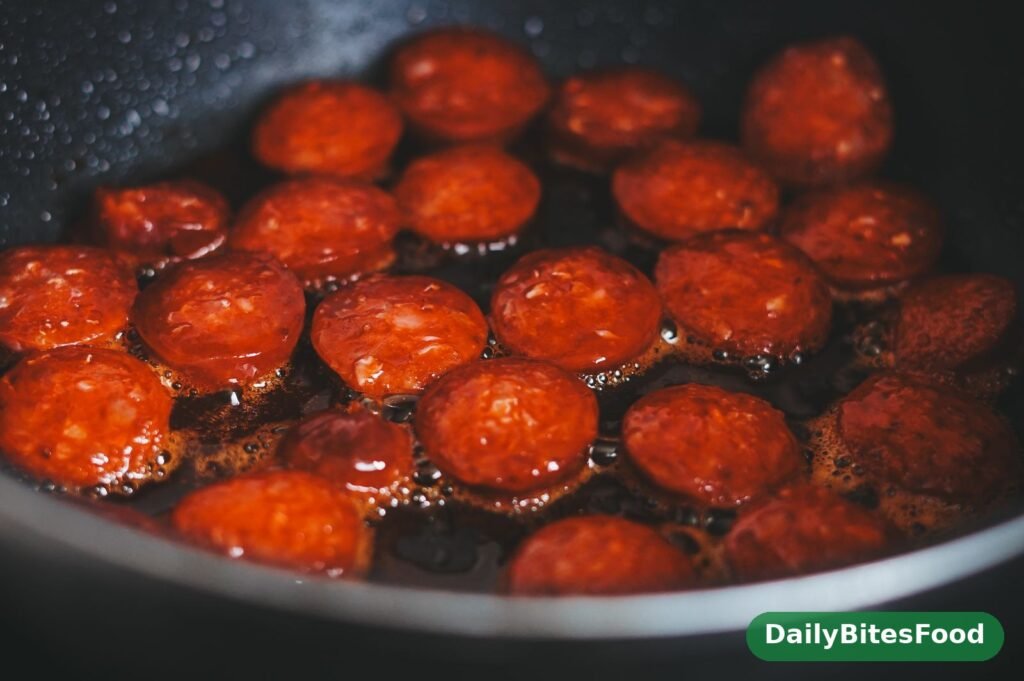
Pour in the chopped tomatoes, the tomato paste, and the stock, scraping the bottom of the pan with a wooden spoon to lift up all the golden bits the chorizo and vegetables left behind. Those bits are pure flavor, and the liquid will dissolve them into the stew. Add the drained chickpeas, the sherry vinegar, salt, pepper, and red pepper flakes if you are using them, and stir everything together. Bring the stew to a gentle simmer, then turn the heat down to low, return the chorizo to the pan, and cover it with a lid. Let the stew simmer gently for twenty to twenty-five minutes, stirring now and then, until the sauce has thickened slightly and the flavors have come together. The chickpeas should be creamy and tender, the peppers should be soft but not mushy, and the sauce should coat a spoon rather than running off it like water.
Taste the stew before you serve it. This is the moment to adjust the seasoning, and it makes a real difference. Add more salt if it tastes flat, a splash more vinegar if it tastes too rich, and a pinch more paprika if you want a deeper smoky flavor. Squeeze in the lemon juice and stir it through — the lemon brightens the whole stew and lifts the smoky flavors in a way that is hard to describe until you taste it. Scatter over the chopped parsley, and serve the stew straight from the pan with plenty of crusty bread for mopping up the sauce. For another quick dinner using pantry staples, this egg fried rice with frozen vegetables is fast, flavorful, and perfect for busy nights.
Tips for Perfect One-Pan Spanish Chorizo and Chickpea Stew
The single most important tip is to use proper Spanish chorizo, not the soft Mexican kind. Spanish chorizo is cured and firm, it slices cleanly, and it releases that beautiful paprika oil when fried. Mexican chorizo is raw and crumbly, and it will fall apart in the stew and make the sauce greasy. If you can find it, a semi-cured or fully cured Spanish chorizo is ideal. And use sweet smoked paprika, not hot, unless you like a real kick — the chorizo already brings heat, and hot paprika on top can overwhelm the dish.
Do not skip the step of frying the chorizo first and setting it aside. If you leave the chorizo in the pan while the stew simmers, the slices go soft and the fat renders out completely, leaving you with a greasy sauce and flabby meat. Frying it first, setting it aside, and returning it for the last twenty minutes keeps the slices firm and meaty while still letting their flavor work through the stew. The same principle applies to the spices: bloom them in the hot oil for thirty seconds before adding the liquid, and their flavor will be much deeper.
Let the stew simmer gently, not boil hard. A rolling boil will break the chickpeas apart and make the sauce cloudy, while a gentle simmer keeps everything intact and lets the flavors meld slowly. Twenty to twenty-five minutes is the sweet spot. If the sauce is still too thin at the end, take the lid off and let it simmer uncovered for five more minutes. If it is too thick, add a splash of stock. And taste as you go — the chorizo varies in saltiness, so you may need less salt than the recipe says, or a little more. A squeeze of lemon at the end is not optional in my kitchen; it is the finishing touch that makes the whole stew sing. For more Spanish cooking inspiration, the BBC Good Food Spanish recipes collection is a wonderful place to explore.
Finally, do not rush the onions and peppers. Five to six minutes over medium heat, until the onion is properly soft and sweet, makes a real difference to the finished stew. Undercooked onion tastes sharp and raw even after simmering, while a properly softened onion melts into the sauce and gives it body. It is a small thing, but it is the kind of small thing that separates a good stew from a great one.
Variations to Try
Once you have the basic stew down, the variations are easy and rewarding. For a heartier version, add a few diced potatoes to the pan with the chickpeas and simmer for an extra ten minutes until they are tender. The potatoes soak up the paprika oil and make the stew even more filling. I have also made a version with a handful of spinach stirred in at the very end, which wilts into the hot stew in about a minute and adds a lovely green freshness.
For a vegetarian version, leave out the chorizo and add an extra tablespoon of smoked paprika, a spoonful of olive oil, and a pinch of chili flakes to replace the smokiness and heat. The chickpeas and vegetables carry the dish beautifully on their own, and a spoonful of harissa stirred in at the end adds depth. You can also add a can of butter beans alongside the chickpeas for a creamier texture, or a handful of green olives for a salty, briny note that works wonderfully with the paprika.
If you want to change the flavor, try adding a teaspoon of ground coriander with the cumin, or a bay leaf to the simmering stew — just remember to take it out before serving. A splash of dry sherry instead of the vinegar adds a lovely depth, and a spoonful of honey balances the acidity of the tomatoes if they taste sharp. For a creamy pasta dinner to pair with the stew on a different night, this easy chicken pasta without heavy cream is creamy, delicious, and ready in about the same time.
Serving Ideas
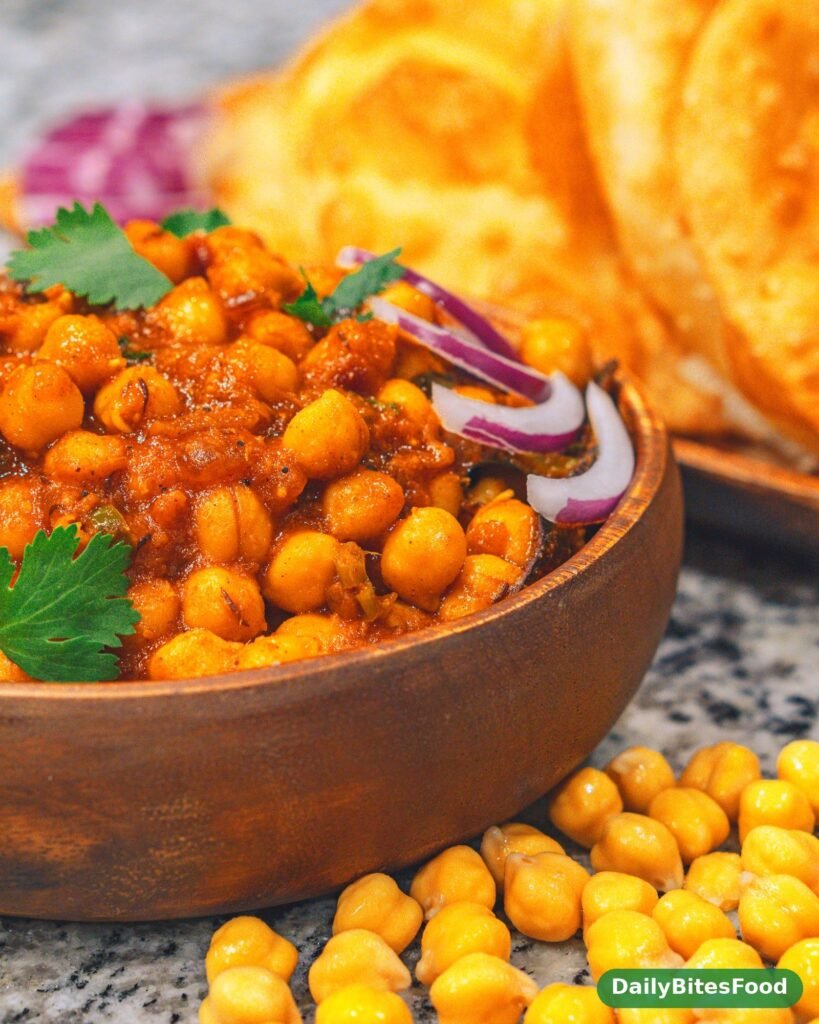
The classic way to serve this stew is in wide, shallow bowls with plenty of crusty bread on the side, and honestly, there is a reason that combination has lasted so long. The bread is there for mopping up the sauce, which is arguably the best part of the whole dish. I like a good sourdough or a rustic country loaf, torn into chunks rather than sliced, so everyone can tear off as much as they need. A simple green salad with a lemon dressing on the side adds freshness and crunch.
For a heartier dinner, serve the stew over rice or with roasted potatoes. The stew is substantial on its own, but a starchy side turns it into a meal that keeps everyone full until morning. I have also served it with a fried egg on top for a weekend brunch — the runny yolk mixes into the sauce and makes the whole dish even richer. And if you are feeding a crowd, put the pan in the middle of the table with a big basket of bread and let everyone help themselves. It is the kind of dish that encourages seconds and long, happy conversations.
For a lighter meal, serve a smaller portion of stew with a big salad and a piece of bread, or spoon it over a bed of wilted greens. The stew is rich enough that you do not need a heavy side to enjoy it. However you serve it, finish with a scatter of fresh parsley and a wedge of lemon on the side. The parsley is not just decoration — it adds a fresh, green note that the dish really benefits from. The BBC Good Food one-pot recipes collection has more ideas for dinners like this if you want to build a whole week of easy one-pan meals.
Storage and Reheating
Leftover chorizo and chickpea stew keeps really well, which makes it a smart cook-ahead option. Let it cool completely, then store it in an airtight container in the fridge for up to four days. The flavors actually improve overnight as the paprika and garlic work their way through the chickpeas, so leftovers are often even better than the first serving. I often make a double batch on purpose, just so there is a container in the fridge for the next day.
To reheat, the stove is your best friend. Tip the stew into a saucepan over medium-low heat, add a splash of water or stock to loosen the sauce, and warm gently for eight to ten minutes until heated through, stirring now and then. The microwave works in a pinch — about three minutes on medium power, covered loosely, stirring halfway through — but the stove gives you more control and the stew heats more evenly. Serve with fresh bread and a scatter of parsley, just as you did the first time.
For longer storage, this stew freezes beautifully. Let it cool completely, then freeze it in portions in freezer bags or containers for up to three months. Thaw overnight in the fridge and reheat gently on the stove, adding a splash of stock if the sauce has thickened too much. The chickpeas hold their shape well after freezing, which is more than I can say for a lot of stews. I would not freeze the bread with it — buy fresh bread when you are ready to serve. For another hearty dinner that freezes just as well, these homemade chicken burgers without deep frying are juicy, easy, and perfect for a weekend cook-ahead.
Frequently Asked Questions
Can I make this stew with dried chickpeas instead of canned?
Yes, but you will need to plan ahead. Soak the dried chickpeas overnight in plenty of cold water, then drain them and simmer them in fresh water for about forty-five minutes until tender before adding them to the stew. Canned chickpeas are much faster and work perfectly in this recipe, which is why I use them, but dried chickpeas have a slightly firmer texture and a nuttier flavor if you prefer them. Do not add unsoaked dried chickpeas straight to the stew — they will not cook through in twenty-five minutes.
What is the difference between Spanish chorizo and Mexican chorizo?
Spanish chorizo is a cured, firm sausage flavored with smoked paprika and garlic. It slices cleanly, it can be eaten as it is, and when fried it releases a rich, red, paprika-scented oil. Mexican chorizo is a raw, fresh sausage that is soft and crumbly, and it needs to be cooked thoroughly before eating. For this stew you want Spanish chorizo, because it holds its shape and flavors the pan. If you can only find Mexican chorizo, brown it well, drain off most of the fat, and add it back to the stew — the flavor will be different, but it will still work.
Can I make this stew vegetarian?
Yes, and it works well. Leave out the chorizo and add an extra tablespoon of smoked paprika, a spoonful of olive oil, and a pinch of chili flakes to replace the smokiness and heat. Use vegetable stock instead of chicken stock. The chickpeas, peppers, and tomatoes carry the dish beautifully on their own, and a spoonful of harissa stirred in at the end adds depth. You can also add a can of butter beans for a creamier texture.
How do I stop the stew from being too oily?
The key is to fry the chorizo first and set it aside, rather than leaving it in the pan for the whole simmer. Much of the fat renders out during that first fry, and the oil left in the pan is exactly what you want to cook the vegetables in. If the finished stew still looks oily, let it sit for a few minutes off the heat and skim any excess oil from the surface with a spoon. Using a leaner chorizo also helps, and draining the chickpeas well keeps the sauce from thinning out.
Can I make this stew ahead of time?
Yes, and it is one of the best make-ahead stews I know. You can cook the whole stew up to two days ahead, let it cool, and store it in the fridge, then reheat it gently on the stove with a splash of stock. The flavors improve overnight. You can also prep the components ahead: slice the chorizo, dice the vegetables, and measure the spices the night before, then cook everything fresh in about forty minutes on the day.
What should I serve with chorizo and chickpea stew?
Crusty bread is the classic pairing, and it is essential for mopping up the sauce. The stew is also wonderful over rice, with roasted potatoes, or with a simple green salad on the side. For a brunch version, serve it with a fried egg on top. A glass of Spanish red wine, if you drink it, is a lovely match for the smoky paprika flavors.