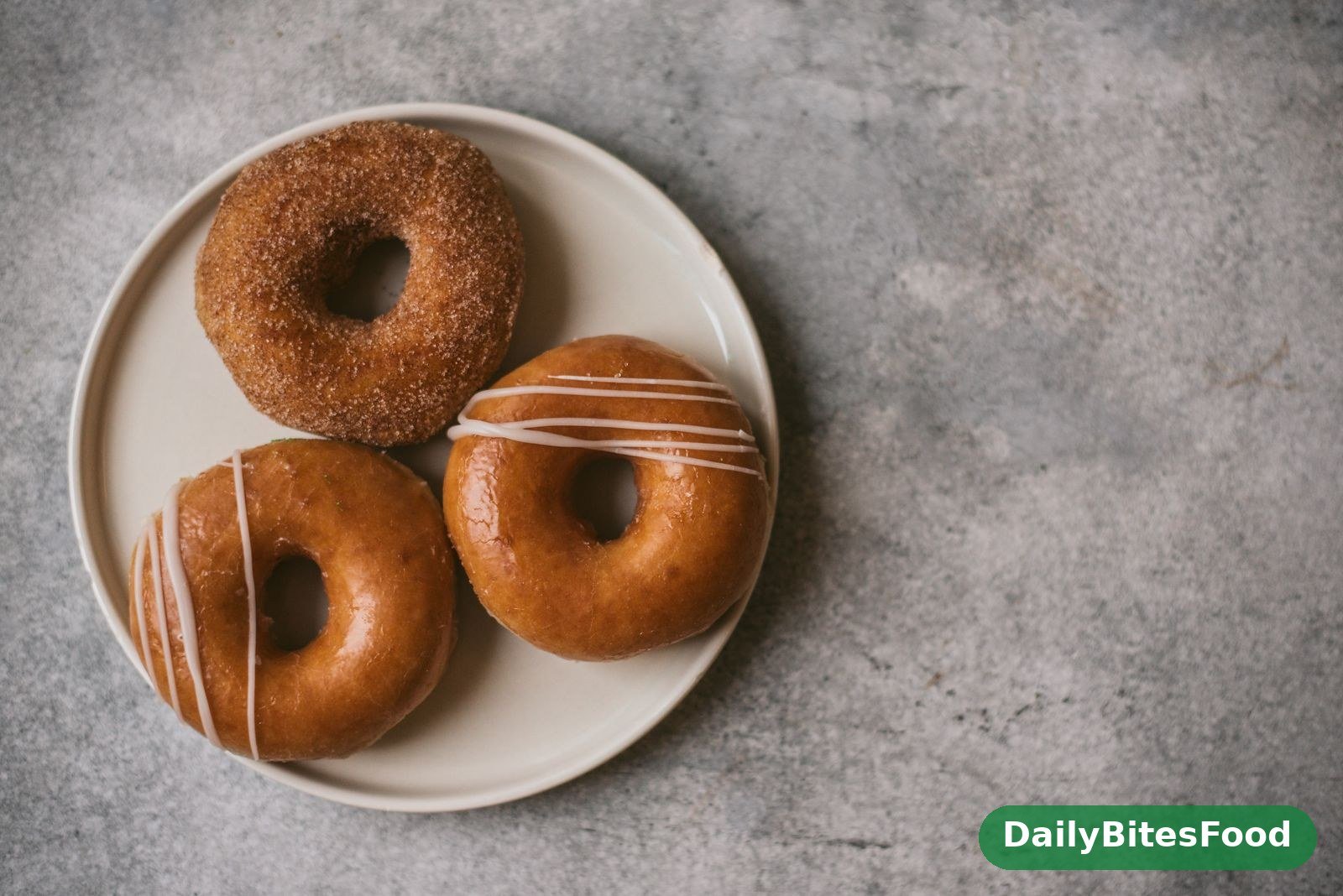
Baked Apple Cider Donuts with Cinnamon Sugar
There is a smell that means autumn to me more than any other, and it is the smell of apple cider donuts baking in the oven. Warm cinnamon, sweet apple, a little nutmeg, and that sugary coating that crackles slightly when you bite into it — it is the kind of smell that pulls everyone into the kitchen before the timer even goes off. I first made these baked apple cider donuts on a rainy October Saturday, when the weather had turned properly cold and I wanted the house to feel warm and cosy. I had a bottle of apple cider in the fridge, a bag of apples that needed using, and a donut pan I had bought on impulse and never actually used. An hour later, we were eating warm donuts with coffee, and the donut pan has earned its place in the cupboard ever since.
What makes these donuts so special is the apple cider itself. Reducing the cider down to a concentrated syrup gives the batter a deep, tangy apple flavour that you simply cannot get from apple juice or chopped apple alone. It is a small extra step — about ten minutes of gentle simmering while you measure out the dry ingredients — but it is the step that makes these donuts taste like the ones from a proper farm stand, rather than just a cinnamon muffin in a round shape. The cider brings a lovely tartness that balances the sweetness of the cinnamon sugar coating, and the whole donut tastes like autumn in the best possible way.
I love that these donuts are baked, not fried. There is no pot of hot oil to deal with, no splattering, and no lingering smell of frying oil in the house. The batter comes together in two bowls in about fifteen minutes, the donuts bake in twelve, and the cinnamon sugar coating takes about two minutes per donut. You can make a whole batch on a Saturday morning and have them on the table while they are still warm, which is when they are at their absolute best. My family has a rule now: the first donut out of the oven belongs to whoever is standing closest to the kitchen, and there is always a small scramble when the timer goes off.
These donuts are also wonderfully versatile. They are a breakfast treat, an afternoon snack with tea, a dessert after a simple dinner, and a lovely thing to take to a friend’s house or a bake sale. I have made them for school events, for weekend guests, and once for a whole table of neighbours who had come over for coffee, and they disappeared every single time. If you have never baked donuts before, this is a perfect place to start — the batter is forgiving, the method is simple, and the result is genuinely impressive.
Why You’ll Love This Recipe
The first reason is the flavour, and it is worth talking about properly. These donuts taste like a crisp autumn morning — warm cinnamon, sweet-tart apple, a whisper of nutmeg, and that buttery cinnamon sugar coating that melts slightly on your fingers as you eat. The reduced apple cider gives the crumb a moist, tender texture and a real apple flavour that runs all the way through the donut, not just on the surface. It is the kind of flavour that makes people close their eyes for a second when they take the first bite, and that is always a good sign.
The second reason is how easy they are to make. There is no yeast, no rising time, and no deep frying, which means there is nothing to be nervous about. You whisk the dry ingredients in one bowl, the wet ingredients in another, stir them together, and spoon the batter into the pan. The whole process takes about fifteen minutes of hands-on time, and the oven does the rest. If you can make muffins, you can make these donuts, and the result looks and tastes far more impressive than the effort involved. If you enjoy simple morning bakes, you will also love these easy breakfast recipes with few ingredients, which are built around the same kind of fuss-free morning cooking.
They are also a wonderful recipe for baking with kids. The batter is simple to stir, the cinnamon sugar coating is fun to roll the warm donuts in, and there is no hot oil anywhere near the process. My kids fight over who gets to do the coating, and the kitchen ends up dusted with cinnamon sugar, which honestly just adds to the atmosphere. It is the kind of baking that creates memories, and the donuts themselves are the reward at the end.
Finally, these donuts are easy to share and easy to store, which makes them perfect for gatherings, bake sales, and lunch boxes. They travel well, they look beautiful piled on a plate, and they taste just as good at room temperature as they do warm from the oven. Make a double batch on a weekend and you will have treats for days — if they last that long, which in my experience they rarely do.
Ingredients You’ll Need
- 1 1/2 cups apple cider, reduced to 1/2 cup
- 2 cups plain flour (all-purpose flour)
- 1 1/2 teaspoons baking powder
- 1/2 teaspoon baking soda
- 1 teaspoon ground cinnamon
- 1/2 teaspoon ground nutmeg
- 1/4 teaspoon ground ginger
- 1/4 teaspoon fine sea salt
- 1/2 cup granulated sugar
- 1/2 cup light brown sugar, packed
- 2 large eggs, at room temperature
- 1/2 cup unsalted butter, melted and slightly cooled
- 1/2 cup whole milk
- 1 teaspoon vanilla extract
- 1/4 cup unsweetened applesauce
- For the cinnamon sugar coating: 1/2 cup granulated sugar, 1 tablespoon ground cinnamon, 4 tablespoons unsalted butter, melted
How to Make Baked Apple Cider Donuts with Cinnamon Sugar
Start with the apple cider, because reducing it is the step that gives these donuts their signature flavour. Pour the cider into a small saucepan and bring it to a gentle boil over medium heat, then turn the heat down and let it simmer for about ten to twelve minutes, until it has reduced to roughly half a cup. It will look darker and syrupy, and it will smell intensely of apples. Pour it into a measuring jug and let it cool for ten minutes while you prepare everything else. This cooling time matters — if the cider is too hot when it meets the batter, it can affect the baking powder and make the donuts dense.
While the cider cools, get the oven and the pan ready. Set the oven to 175°C (350°F) and grease a standard donut pan generously with butter or non-stick spray, making sure to get into every curve of the moulds. If you do not have a donut pan, a muffin tin works perfectly well — the donuts will just be round instead of ring-shaped, and they will taste exactly the same. In a large bowl, whisk together the flour, baking powder, baking soda, cinnamon, nutmeg, ginger, and salt until everything is evenly combined and there are no lumps of spice hiding in the flour. In a separate bowl, whisk together the granulated sugar, brown sugar, eggs, melted butter, milk, vanilla, applesauce, and the cooled reduced cider until the mixture is smooth and glossy.
Now bring the two bowls together. Pour the wet ingredients into the dry ingredients and stir gently with a wooden spoon or a spatula until they are just combined. The batter should be thick but spoonable, with a few small lumps still visible — and those lumps are fine. Overmixing is the enemy of a tender donut, because it develops the gluten in the flour and makes the crumb tough, so stop stirring as soon as you cannot see any more dry flour. Let the batter rest for five minutes while the oven finishes heating, which gives the baking powder time to start working.
Spoon the batter into the prepared donut pan, filling each mould about three-quarters full. A piping bag makes this job much neater, but a spoon works perfectly well — just take your time and try to keep the batter even so the donuts bake at the same rate. If you are using a zip-top bag with the corner snipped off, that works as a piping bag too, and it is much less messy. Slide the pan into the oven and bake for eleven to thirteen minutes, until the donuts spring back when you press them gently with a fingertip and a toothpick inserted into the thickest part comes out clean. They will be lightly golden on top and smelling wonderful.
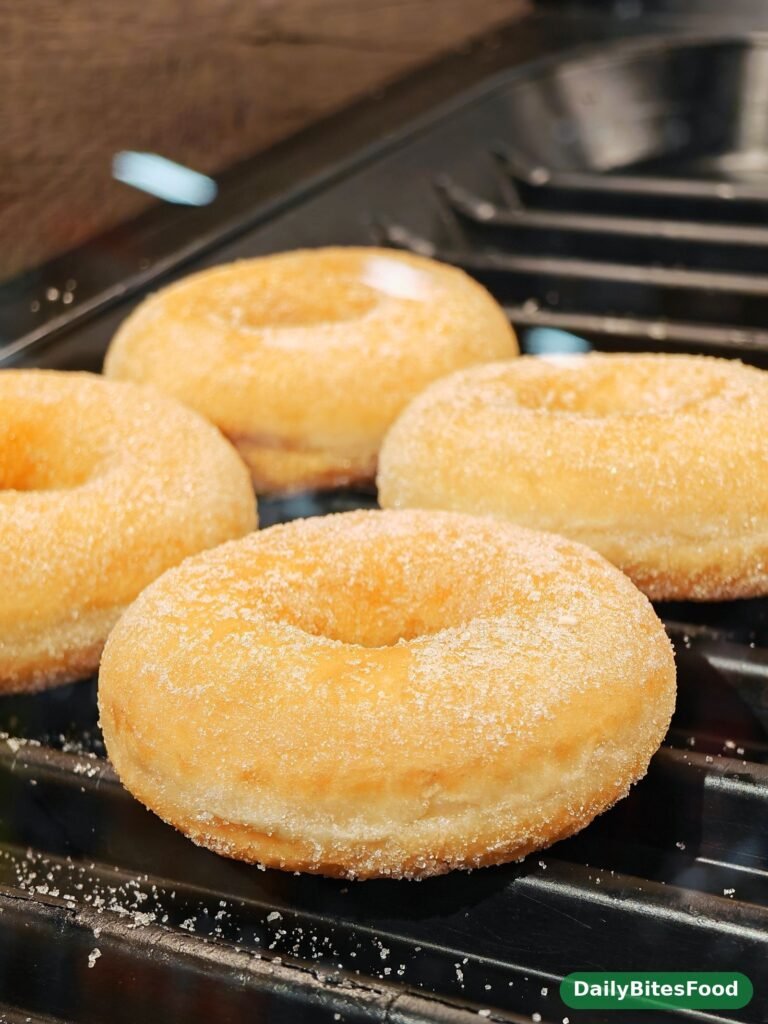
Let the donuts cool in the pan for five minutes, then turn them out onto a wire rack. While they are still warm — this is important, because the coating sticks best to warm donuts — brush each one lightly with melted butter, then roll it in the cinnamon sugar mixture until it is evenly coated all over. The sugar will cling to the butter and form a sweet, crackly crust that is the best part of the whole donut. Serve the donuts warm, with coffee or tea, and watch them disappear. For a simple, satisfying dinner to serve before these donuts as dessert, this one-pan chicken and rice for two is a lovely, fuss-free main course that leaves you plenty of time for baking.
Tips for Perfect Baked Apple Cider Donuts
The single most important tip is to reduce the apple cider properly. It is tempting to skip this step, but it is what separates a good apple donut from a great one. Unreduced cider is mostly water, and it will make the batter thin and the apple flavour faint. Reduced cider is concentrated, syrupy, and intensely flavoured, and it gives the donuts their moist crumb and their real apple taste. Give it the full ten to twelve minutes, and measure it afterwards — you want about half a cup.
The second tip is about mixing. Stir the batter only until the dry ingredients disappear, and then stop. It is completely normal for the batter to look a little lumpy, and those lumps will bake out in the oven. Overmixed batter makes tough, dense donuts, and no amount of cinnamon sugar can fix that. The same rule applies to muffins and quick breads, so it is a good habit to learn for all your baking. If you want to see how other bakers approach cider donuts, this Taste of Home apple cider doughnuts recipe is a good reference for technique and timing.
Do not skip greasing the pan properly, even if it is non-stick. Baked donuts can stick stubbornly, and there is nothing more frustrating than a beautiful donut that tears as it comes out of the mould. Butter works better than spray for this recipe, because it adds a little flavour too, but either will do as long as you are generous with it. And coat the donuts while they are still warm — the butter and sugar need that warmth to cling properly, and once the donuts have cooled completely, the coating will not stick nearly as well.
Finally, use room temperature eggs and milk if you can. Cold ingredients do not mix as evenly into the batter, and they can make the melted butter seize up into little lumps. Ten minutes on the counter before you start is all it takes, and it makes a real difference to the texture of the finished donuts.
Variations to Try
There are so many ways to make these donuts your own. For a maple version, swap the cinnamon sugar coating for a simple maple glaze made from powdered sugar, maple syrup, and a splash of milk, and drizzle it over the cooled donuts. The maple and apple flavours are a natural match, and the glaze gives the donuts a beautiful, glossy finish. If you prefer a chocolate twist, add a tablespoon of cocoa powder to the cinnamon sugar, or drizzle the finished donuts with melted chocolate and a scattering of chopped nuts.
For a spicier donut, add a pinch of ground cloves and a little extra ginger to the batter. The warmth of the spices pairs beautifully with the apple cider, and the donuts taste even more like autumn. You can also stir a handful of finely diced apple into the batter for extra texture, or add a few tablespoons of chopped pecans for crunch. If you like the idea of a mini version, bake the batter in a mini donut pan or a mini muffin tin — the baking time drops to about eight minutes, and the little donuts are perfect for parties and lunch boxes.
If you do not have a donut pan and do not want to buy one, the muffin tin version is genuinely just as good. Fill each cup about two-thirds full and bake for thirteen to fifteen minutes, then coat the muffins in butter and cinnamon sugar exactly as you would a donut. They will not have the hole in the middle, but they will have all the flavour, and nobody will mind. And if you enjoy small, simple bakes, these small batch chocolate chip cookies without brown sugar are another recipe that proves you do not need fancy equipment to bake something wonderful.
Serving Ideas
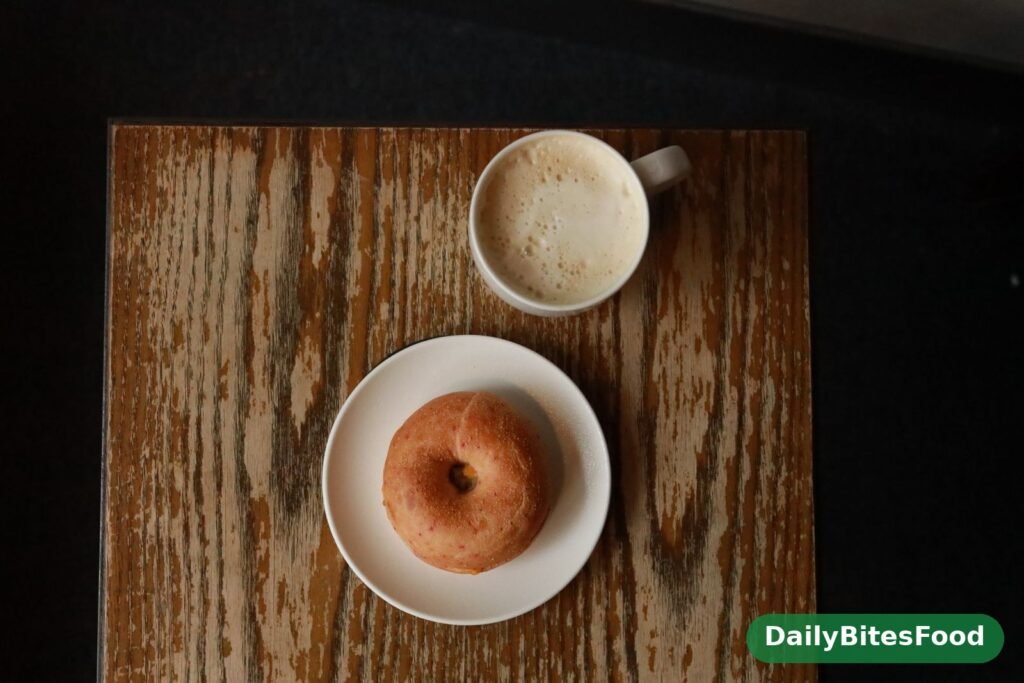
The best way to serve these donuts is warm, within an hour of baking, with a mug of coffee or a pot of tea. There is something deeply comforting about a warm donut and a hot drink on a cold morning, and it is a small ritual that makes a weekend feel special. Pile the donuts on a plate, dust them with a little extra cinnamon sugar, and put them in the middle of the table so everyone can help themselves. They rarely last long enough to need a second plate.
For a brunch spread, serve the donuts alongside scrambled eggs, crispy bacon, and a bowl of fresh fruit. The sweet, spiced donuts balance the savoury breakfast dishes beautifully, and they make the whole meal feel like an occasion. I have also served them as a dessert after a simple autumn dinner, with a scoop of vanilla ice cream and a drizzle of warm caramel sauce, and they were a huge success. The cinnamon sugar coating goes wonderfully soft and sticky under the ice cream.
These donuts are also perfect for sharing. Pack them in a pretty box or a paper bag for a neighbour, take them to a bake sale, or bring them to a friend’s house for coffee. They travel well, they look beautiful, and they are the kind of homemade treat that people remember. If you are building a whole morning of baking, these oatmeal cookies without eggs and butter are another lovely bake to add to the table alongside the donuts.
Storage and Reheating
Baked apple cider donuts keep well in an airtight container at room temperature for up to two days, and they stay soft and tender if you keep the lid on tight. After two days, they are best stored in the fridge, where they will keep for another two days, though the cinnamon sugar coating will soften a little. To bring them back to life, warm them in a low oven at 150°C (300°F) for five minutes, or microwave a single donut for about ten seconds. The warmth wakes up the cinnamon sugar and makes the donut taste freshly baked again.
These donuts freeze beautifully, which makes them a great make-ahead treat. Let them cool completely, then freeze them uncoated in a single layer on a baking tray. Once they are solid, transfer them to a freezer bag, where they will keep for up to two months. Thaw them at room temperature for about an hour, then warm them gently and roll them in fresh cinnamon sugar. The coating is always best applied fresh, so I recommend freezing the donuts plain and coating them on the day you serve them.
Frequently Asked Questions
Do I need a donut pan to make these donuts?
No, you do not need a donut pan, though it does give the classic ring shape. A standard muffin tin works perfectly well — just fill each cup about two-thirds full and bake for thirteen to fifteen minutes. The donuts will be round instead of ring-shaped, but they will taste exactly the same, and you can coat them in cinnamon sugar in exactly the same way. A mini muffin tin also works, with a baking time of about eight minutes, and the little donuts are adorable for parties.
Can I use apple juice instead of apple cider?
You can, but the flavour will be noticeably milder. Apple cider is unfiltered and has a deeper, tangier apple taste than clear apple juice, and that flavour is what makes these donuts special. If apple juice is all you have, reduce it in the same way — simmer it until it has reduced by two-thirds — and add an extra squeeze of lemon juice to the batter for a little tartness. The donuts will still be delicious, just a touch less apple-forward. The Taste of Home cinnamon sugar doughnuts recipe is another good reference if you want to compare methods.
Why are my donuts dense instead of light and fluffy?
Dense donuts are almost always caused by overmixing the batter or by using baking powder that has lost its strength. Stir the batter only until the dry ingredients disappear, and then stop — a few lumps are completely fine. Check that your baking powder is fresh by dropping a teaspoon into hot water; if it fizzes vigorously, it is still good. Also, make sure your oven is fully preheated before the pan goes in, because a cool oven makes the donuts rise slowly and set densely.
Can I make the batter ahead of time?
The batter is best used straight away, because the baking powder starts working as soon as the wet and dry ingredients meet, and it loses its lifting power if the batter sits for too long. That said, you can measure out the dry ingredients the night before and keep them in a sealed container, and reduce the cider ahead of time and store it in the fridge. Then, in the morning, you just need to whisk the wet ingredients, combine the two bowls, and bake. The whole process takes about fifteen minutes, so it is a very manageable morning bake.
How do I get the cinnamon sugar to stick?
The secret is to coat the donuts while they are still warm. Brush each donut lightly with melted butter, then roll it in the cinnamon sugar mixture while the butter is still wet. The warmth of the donut helps the butter soak in slightly and the sugar cling to the surface. If the donuts have cooled completely, the coating will not stick well, so work quickly once they come out of the pan. If the coating still will not stick, brush on a little more butter and try again — a generous coating of butter is never a bad thing here.
Can I freeze baked apple cider donuts?
Yes, these donuts freeze very well. Let them cool completely, then freeze them uncoated in a single layer on a baking tray until solid, and transfer them to a freezer bag. They will keep for up to two months. To serve, thaw them at room temperature for about an hour, warm them gently in a low oven for five minutes, and then brush with melted butter and roll in fresh cinnamon sugar. Freezing them uncoated and coating them fresh on the day is the key to a coating that tastes just-baked.