Easy Lemon Ricotta Cookies with Glaze
There are some cookies that are crisp and snappy, and then there are cookies like these — soft, pillowy, almost cake-like, with a bright lemon flavour that wakes up your whole mouth. I first tasted lemon ricotta cookies at a friend’s house many years ago, and I remember being slightly suspicious of them. Ricotta in a cookie sounded odd to me, and I was not sure what to expect. One bite changed my mind completely. The cookie was tender in a way I had never experienced before, soft and moist with a delicate crumb, and the lemon glaze on top gave it a sweet, citrusy finish that made it impossible to eat just one. I asked for the recipe before I had finished my second cookie, and I have been making them ever since.
Ricotta is the secret ingredient that makes these cookies so special. It adds moisture and richness to the dough without making it heavy, and it gives the finished cookie a soft, almost melt-in-your-mouth texture that butter alone cannot achieve. The ricotta flavour itself is very mild — you would never guess it was there if nobody told you — but the texture it creates is unmistakable. Combined with fresh lemon zest and lemon juice, both in the cookie and in the glaze, it makes a cookie that tastes light and bright and fresh, even though it is rich and satisfying at the same time.
I love this recipe because it is genuinely easy. There is no chilling time, no rolling, and no cookie cutters to wash. You mix the dough in one bowl, scoop it onto a baking tray, and bake it for about twelve minutes. The glaze is just powdered sugar and lemon juice stirred together, and it takes about two minutes to make. The whole batch is done in under an hour, and most of that time is just waiting for the oven. It is the kind of baking that feels relaxing rather than demanding, and the result is a plate of beautiful, glossy cookies that look like they came from a bakery.
These cookies are also wonderfully versatile. They are perfect with a cup of tea in the afternoon, lovely as a light dessert after dinner, and beautiful on a plate at a party or a bake sale. I have made them for Easter, for baby showers, for neighbourhood gatherings, and once, memorably, for a friend who had just had a baby and needed something sweet and gentle to nibble on. They have never failed to make people smile, and that is really what baking is all about.
Why You’ll Love This Recipe
The first reason is the texture, and it is worth talking about properly because it is what sets these cookies apart from every other cookie in your recipe box. These are not crisp or chewy — they are soft, tender, and almost cake-like, with a delicate crumb that melts in your mouth. The ricotta keeps them moist for days, so they never go dry or stale the way some cookies do, and the glaze adds a thin, sweet shell that gives way to the soft cookie underneath. It is a texture that feels luxurious and comforting at the same time, and once you have tried it, ordinary cookies can feel a little plain by comparison.
The flavour is the second reason. Fresh lemon zest and lemon juice run all the way through these cookies, from the dough to the glaze, and the result is bright, clean, and cheerful. The lemon is not sour or sharp — it is balanced by the sweetness of the sugar and the richness of the butter and ricotta, so the whole cookie tastes fresh and sunny without being tart. A little vanilla in the dough rounds everything out, and the glaze adds an extra burst of lemon that makes each bite taste like a small celebration. If you enjoy gentle, homely bakes, you will also love these oatmeal cookies without eggs and butter, which are another soft, comforting cookie that comes together with simple ingredients.
They are also remarkably easy to make. There is no dough to chill, no rolling pin, and no complicated shaping. You scoop the dough with a spoon or a small cookie scoop, drop it onto the tray, and let the oven do the work. The glaze is a two-ingredient job that takes less time to make than it does to wash the bowl afterwards. I have made these cookies on busy weeknights, on lazy Sunday afternoons, and once, in a hurry, before guests arrived, and they have turned out beautifully every single time.
Finally, these cookies keep well and travel well, which makes them perfect for sharing. They stay soft for days in an airtight container, they look beautiful piled on a plate or packed in a box, and they are sturdy enough to survive a journey to a friend’s house or a bake sale. Make a double batch and you will have treats for the week — though in my experience, they rarely last that long.
Ingredients You’ll Need
- 2 cups plain flour (all-purpose flour)
- 1 teaspoon baking powder
- 1/2 teaspoon baking soda
- 1/2 teaspoon fine sea salt
- 1/2 cup unsalted butter, softened
- 1 cup granulated sugar
- 1 cup whole milk ricotta cheese, drained if watery
- 1 large egg, at room temperature
- 1 tablespoon lemon zest (from about 2 lemons)
- 2 tablespoons fresh lemon juice
- 1 teaspoon vanilla extract
- For the glaze: 1 1/2 cups powdered sugar (icing sugar), sifted, 2 to 3 tablespoons fresh lemon juice, 1 teaspoon lemon zest
- Extra lemon zest or sprinkles, for decorating (optional)
How to Make Easy Lemon Ricotta Cookies with Glaze
Start by getting the oven ready and preparing your baking trays, because the dough comes together quickly and you will want everything in place. Set the oven to 175°C (350°F) and line two baking trays with parchment paper. Parchment is worth using here — these cookies are soft and delicate, and parchment stops them from sticking and makes them easy to lift off the tray. In a medium bowl, whisk together the flour, baking powder, baking soda, and salt until everything is evenly combined. Set this bowl aside while you work on the wet ingredients.
In a large bowl, beat the softened butter and the granulated sugar together with a wooden spoon or an electric mixer for about two minutes, until the mixture is pale, fluffy, and creamy. This step matters more than it looks, because beating air into the butter and sugar is what gives the cookies their light, tender texture. Add the ricotta, the egg, the lemon zest, the lemon juice, and the vanilla, and beat again until everything is smooth and well combined. The mixture might look slightly curdled at this point, and that is completely normal — the ricotta and the lemon juice can make it look a little uneven, but it will come together once the flour goes in.
Now add the flour mixture to the wet mixture in two batches, stirring gently with a wooden spoon or a spatula after each addition. Stir only until the flour disappears — the dough should be soft, sticky, and a little looser than a typical cookie dough, almost like a very thick cake batter. That softness is exactly what you want, because it is what makes the finished cookies so tender. Do not add extra flour to firm it up, and do not overmix it, because both will make the cookies tough. If the dough feels too soft to scoop, let it rest for five minutes while the oven finishes heating, and it will firm up slightly on its own.
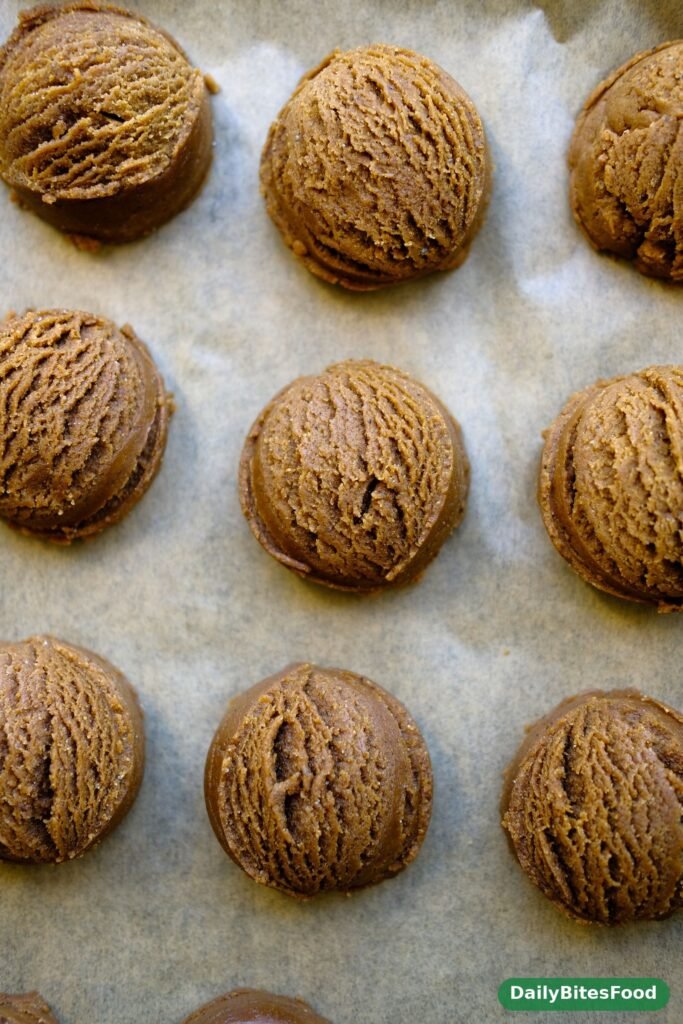
Scoop the dough onto the prepared trays using a tablespoon or a small cookie scoop, dropping rounded spoonfuls about five centimetres apart. Each cookie should be about the size of a walnut, and you should get about twenty-four cookies from the batch. The dough is sticky, so it helps to dampen your fingers or the scoop with a little water if the dough starts to cling. Do not flatten the cookies — they will spread and settle on their own in the oven, and their lovely domed shape is part of their charm. Slide the trays into the oven and bake for twelve to fourteen minutes, until the edges are set and the bottoms are very lightly golden. The tops will still look pale, and that is correct — these cookies do not brown much, and if you wait for them to turn golden on top, they will be overbaked.
Let the cookies cool on the tray for five minutes, then transfer them carefully to a wire rack to cool completely. They are delicate while they are warm, so handle them gently and use a thin spatula to lift them. While they cool, make the glaze. In a small bowl, whisk the sifted powdered sugar with two tablespoons of lemon juice and the lemon zest until the glaze is smooth and thick but pourable. If it is too thick, add lemon juice a teaspoon at a time; if it is too thin, add a little more powdered sugar. The glaze should fall from the spoon in a slow ribbon and hold its shape for a second before sinking back into the bowl.
Once the cookies are completely cool — and this matters, because a warm cookie will melt the glaze into a sticky mess — spoon a little glaze over the top of each one and spread it gently with the back of the spoon. Let the glaze drip slightly over the edges, because that is what makes them look so pretty. Sprinkle a little extra lemon zest or a few sprinkles over the top if you like, then leave the cookies on the rack for about thirty minutes, until the glaze has set into a soft, matte shell. Then they are ready to eat. For a simple dinner to serve before these cookies as a light dessert, this easy dinner recipes with frozen vegetables is a handy, fuss-free option that leaves you plenty of time for baking.
Tips for Perfect Lemon Ricotta Cookies
The single most important tip is to use whole milk ricotta, not the low-fat kind. Low-fat ricotta has more water and less fat, and it makes the dough too wet and the cookies less tender. If your ricotta looks watery, drain it first — spoon it into a fine sieve lined with a coffee filter or a clean tea towel, and let it sit for fifteen minutes. You will be surprised how much liquid comes out, and the cookies will be much better for it. Good ricotta should be thick, creamy, and spreadable, not runny.
The second tip is about the lemon. Use fresh lemons, not bottled lemon juice, because the zest is where most of the flavour lives and you cannot get zest from a bottle. Zest the lemons before you juice them — it is much easier that way — and use a fine grater so the zest is light and fluffy rather than chunky. Rub the zest into the sugar with your fingertips before you add the butter, if you have a spare minute, because this releases the oils in the zest and makes the lemon flavour even brighter. If you want more ideas for baking with lemon, this Taste of Home lemon cookies collection is a lovely place to browse.
Do not overbake these cookies. They are done when the edges are set and the bottoms are just barely golden, even though the tops still look pale. They will firm up as they cool, and if you leave them in the oven until they look golden on top, they will be dry and crumbly instead of soft and tender. Set a timer for twelve minutes and check them then — it is always better to take them out a minute early than a minute late.
Finally, wait until the cookies are completely cool before glazing them. I know it is tempting to glaze them while they are warm, especially when the kitchen smells like lemon and vanilla, but warm cookies will melt the glaze and turn it into a sticky puddle instead of a pretty white shell. Patience pays off here, and the thirty minutes the glaze needs to set is a good time to wash up and make a cup of tea.
Variations to Try
There are so many lovely ways to make these cookies your own. For an orange version, swap the lemon zest and juice for orange zest and juice, both in the cookie and in the glaze. Orange ricotta cookies are warm, fragrant, and slightly sweeter than the lemon version, and they are beautiful with a little orange zest sprinkled on top. You can also try lime, which gives the cookies a sharper, more tropical flavour that is wonderful in summer.
For a fancier cookie, fold a handful of white chocolate chips or a few tablespoons of poppy seeds into the dough before baking. The white chocolate melts into sweet little pockets that complement the lemon beautifully, and the poppy seeds add a lovely crunch and a classic lemon-poppyseed flavour. A teaspoon of almond extract in place of half the vanilla is another wonderful variation — it gives the cookies a subtle, marzipan-like warmth that pairs surprisingly well with the lemon.
If you want to make these cookies for a celebration, tint the glaze with a drop of food colouring, or decorate the tops with edible flowers, sprinkles, or a little candied lemon peel. They look beautiful on a dessert table, and they are sturdy enough to stack in a pretty box as a gift. And if you enjoy small-batch baking, these small batch chocolate chip cookies without brown sugar are another recipe that makes a modest, manageable batch without any waste.
Serving Ideas
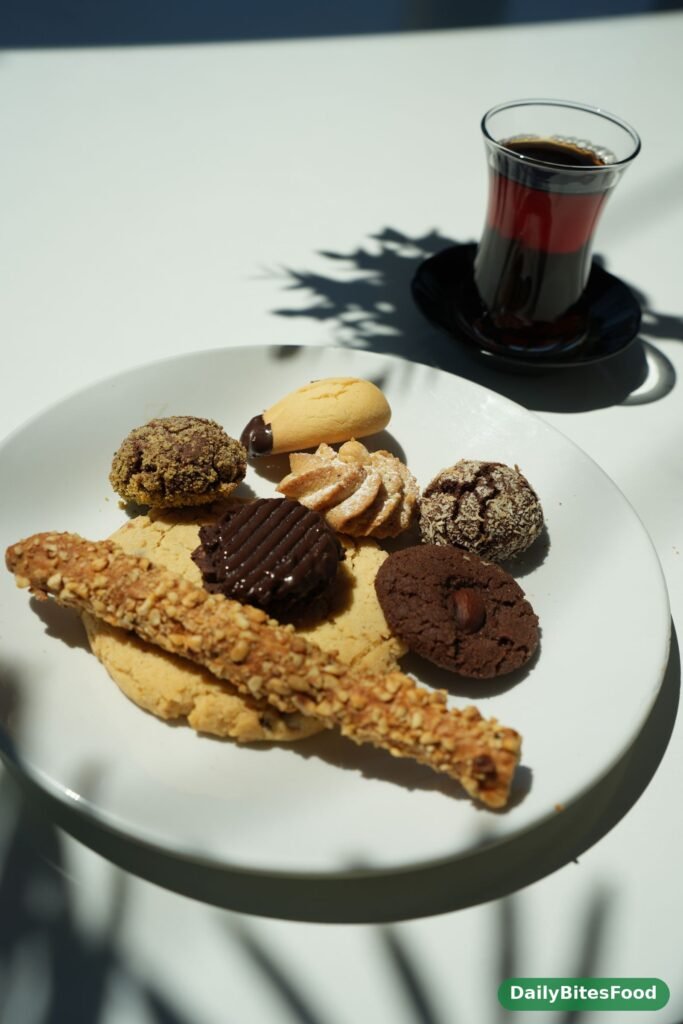
The simplest way to serve these cookies is on a pretty plate with a pot of tea or a cup of coffee, and that is really all they need. They are at their best at room temperature, when the glaze has set and the cookie is soft and tender, and they are the kind of treat that makes an ordinary afternoon feel a little bit special. I like to pile them on a cake stand for a gathering, with a few lemon slices and a sprig of mint for decoration, and let people help themselves.
For a dessert, serve two or three cookies alongside a scoop of vanilla ice cream or a spoonful of lemon sorbet. The cold, creamy ice cream against the soft, lemony cookie is a lovely combination, and the glaze melts slightly against the ice cream in the most delicious way. They are also wonderful crumbled over a bowl of fresh berries and yogurt, or served alongside a fruit salad as a light, sweet finish to a meal.
These cookies are perfect for sharing. Pack them in a tin or a pretty box for a friend, take them to a bake sale, or bring them to a picnic — they travel well, they look beautiful, and they are the kind of homemade treat that people ask about. If you are planning a morning of baking, these easy breakfast recipes with few ingredients have plenty of ideas for what to serve alongside the cookies for a slow, lazy brunch.
Storage and Reheating
Lemon ricotta cookies keep beautifully in an airtight container at room temperature for up to four days, and they stay soft and moist the whole time, thanks to the ricotta in the dough. Layer them between sheets of parchment paper so the glaze does not stick, and keep the container sealed tightly. They are best eaten within the first two days, when the glaze is at its prettiest, but they are still delicious on day four.
For longer storage, these cookies freeze well. Freeze them unglazed in a single layer on a baking tray until solid, then transfer them to a freezer bag, where they will keep for up to two months. Thaw them at room temperature for about an hour, then glaze them fresh on the day you serve them. The glaze is always best applied fresh, so I recommend freezing the cookies plain and glazing them after thawing. These cookies do not need reheating — they are meant to be eaten at room temperature — but if you like them slightly warm, ten seconds in the microwave is enough, and the glaze will soften just a little.
Frequently Asked Questions
Can I use low-fat ricotta for these cookies?
You can, but the results will not be quite as good. Low-fat ricotta contains more water and less fat than whole milk ricotta, which makes the dough wetter and the cookies less tender. If low-fat ricotta is all you have, drain it well first — spoon it into a fine sieve lined with a clean tea towel and let it sit for at least thirty minutes to remove as much liquid as possible. The cookies will still be tasty, but they may spread a little more in the oven, so give them a little extra space on the tray.
Why are my cookies flat instead of domed?
Flat cookies are usually caused by dough that is too warm or too wet, or by an oven that is not hot enough. Make sure your butter is softened but not melted, and drain your ricotta if it looks watery. Check that your oven is fully preheated before the trays go in, because a cool oven lets the cookies spread before they set. If your kitchen is very warm, you can chill the scooped dough on the tray in the fridge for fifteen minutes before baking, which helps the cookies hold their shape. The BBC Good Food cookie recipes collection has plenty of guidance on cookie texture if you want to read more.
Do I need to chill the dough before baking?
No, there is no need to chill this dough, which is one of the things that makes the recipe so convenient. The dough is soft and sticky, but it scoops easily and bakes up into beautiful domed cookies without any chilling time. If your kitchen is very warm and the dough feels too soft to handle, a short rest in the fridge for fifteen minutes will firm it up, but it is not essential. Just scoop the dough, space the cookies well apart on the tray, and let the oven do the work.
Can I make these cookies without a mixer?
Absolutely. A wooden spoon and a little elbow grease are all you need. Beat the butter and sugar together by hand until the mixture is pale and creamy, which takes about three minutes of vigorous stirring, then add the ricotta, egg, lemon, and vanilla and stir until smooth. Fold in the flour gently with the spoon. The dough comes together easily by hand, and many bakers prefer it that way, because it is harder to overmix. An electric mixer is a convenience, not a necessity, for this recipe.
How do I stop the glaze from being too runny?
The glaze should be thick enough to coat the top of the cookie without running off the sides in a puddle. Start with two tablespoons of lemon juice for every cup and a half of powdered sugar, and add more liquid only a teaspoon at a time. If the glaze is too thin, whisk in more powdered sugar a tablespoon at a time until it thickens. The glaze should fall from the spoon in a slow ribbon. And always glaze the cookies when they are completely cool, because a warm cookie will melt even a perfectly thick glaze.
Can I freeze lemon ricotta cookies?
Yes, these cookies freeze very well, though it is best to freeze them before glazing. Let the baked cookies cool completely, then freeze them in a single layer on a baking tray until solid, and transfer them to a freezer bag. They will keep for up to two months. Thaw them at room temperature for about an hour, then glaze them fresh on the day you serve them. Freezing them unglazed and glazing them after thawing gives you a glaze that looks and tastes just-made, every time.